Multifunctional surface
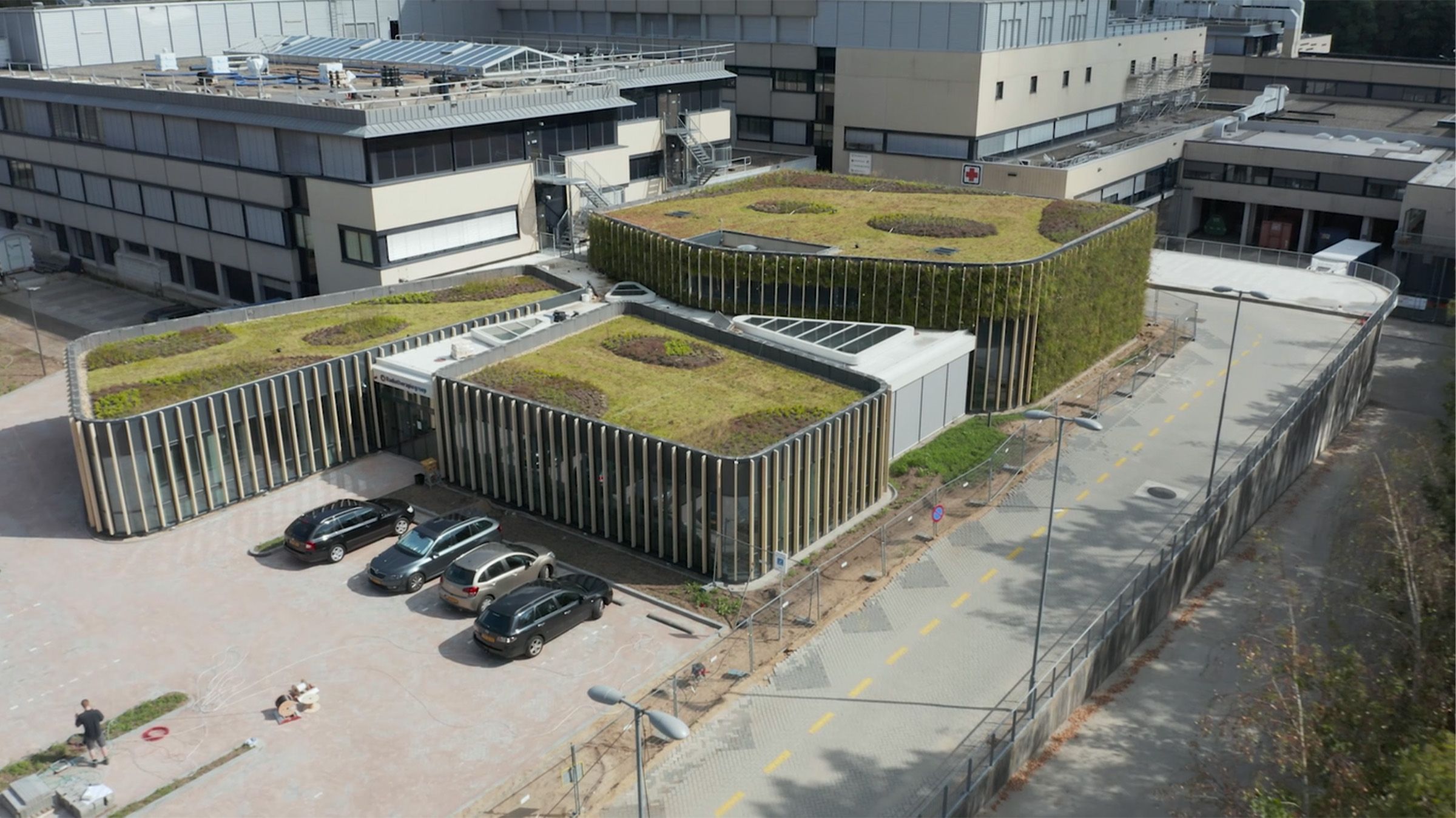
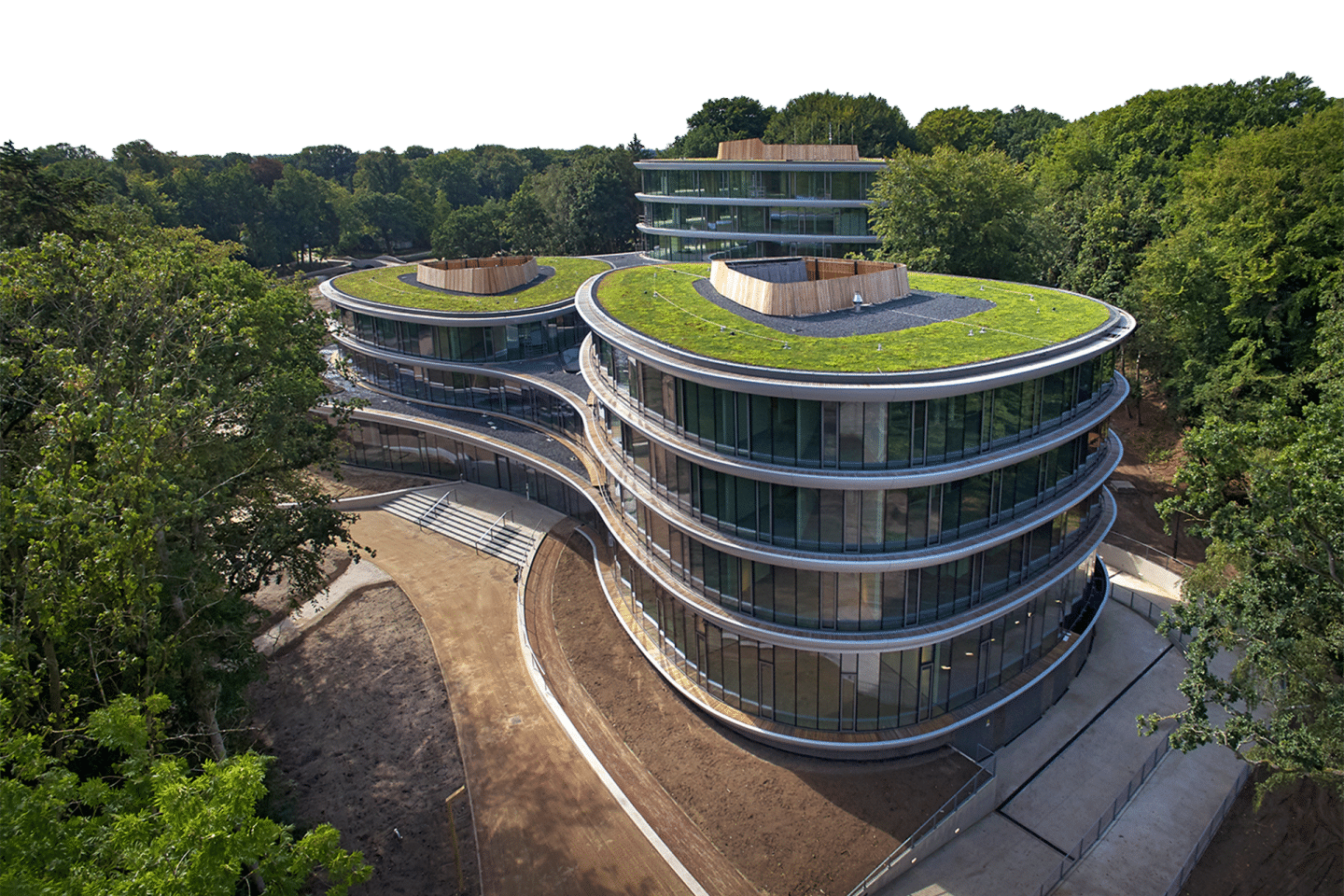
Every part of the roof contributes. Rainwater is buffered and nature is given room to grow.
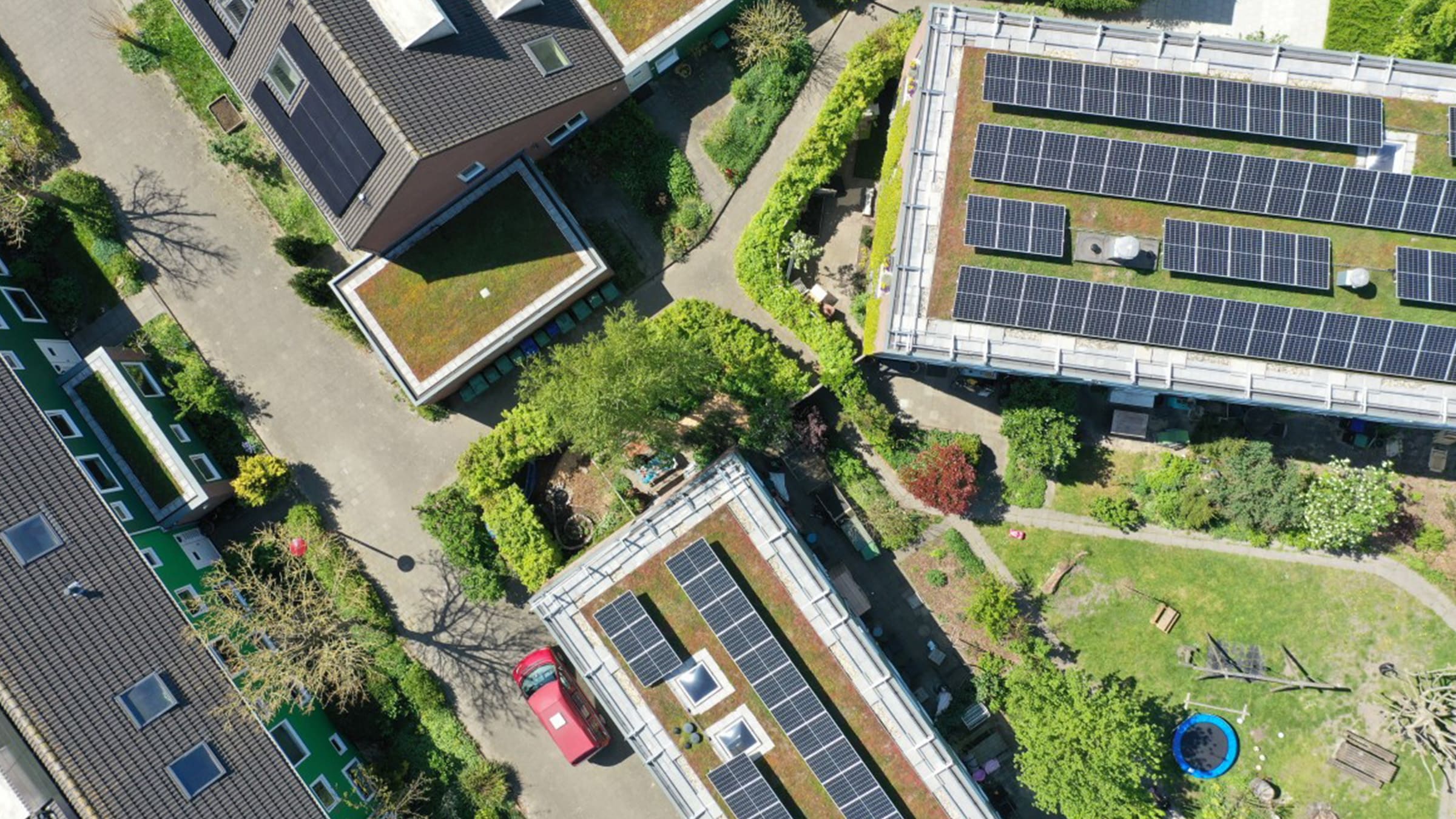
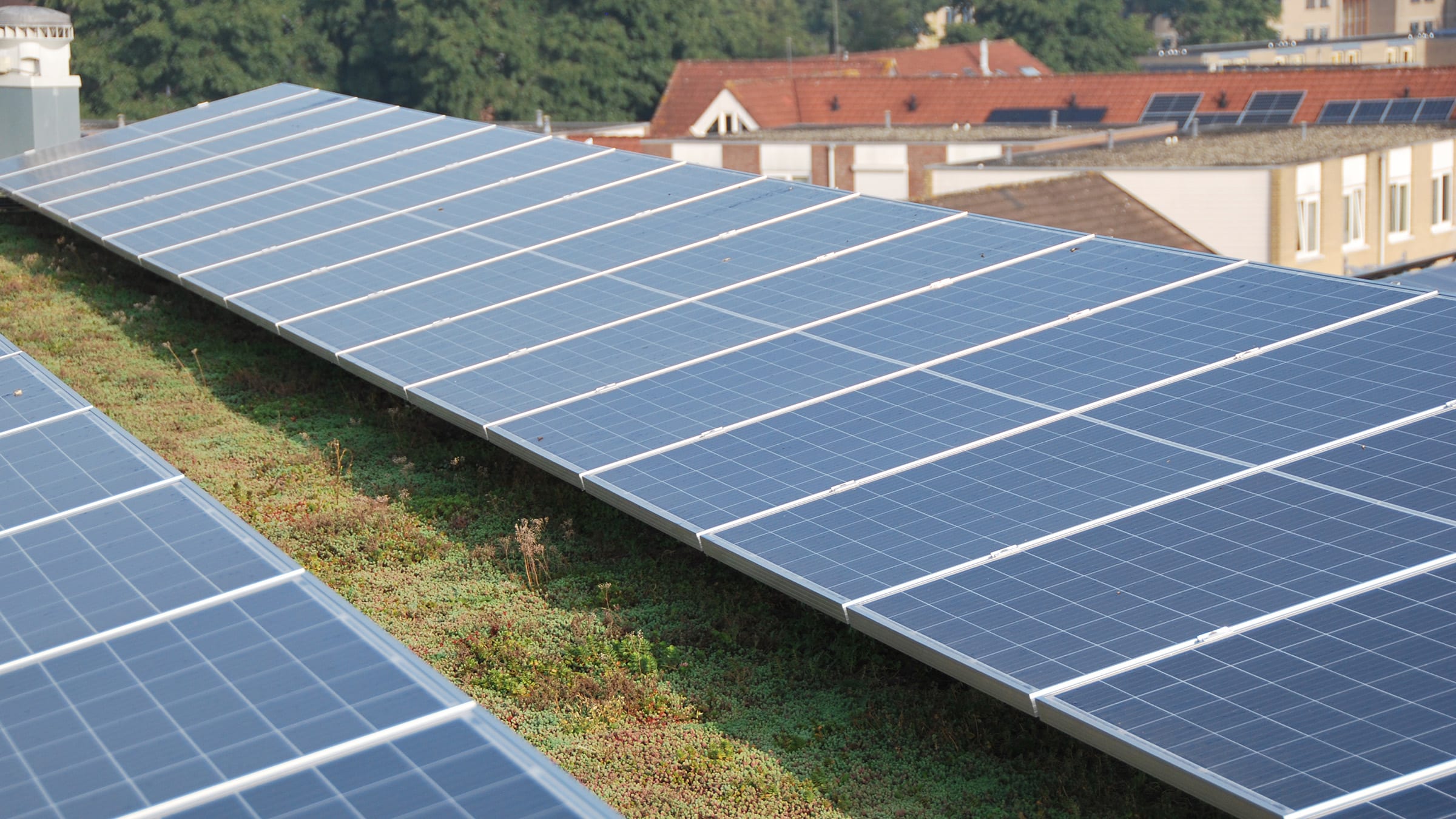
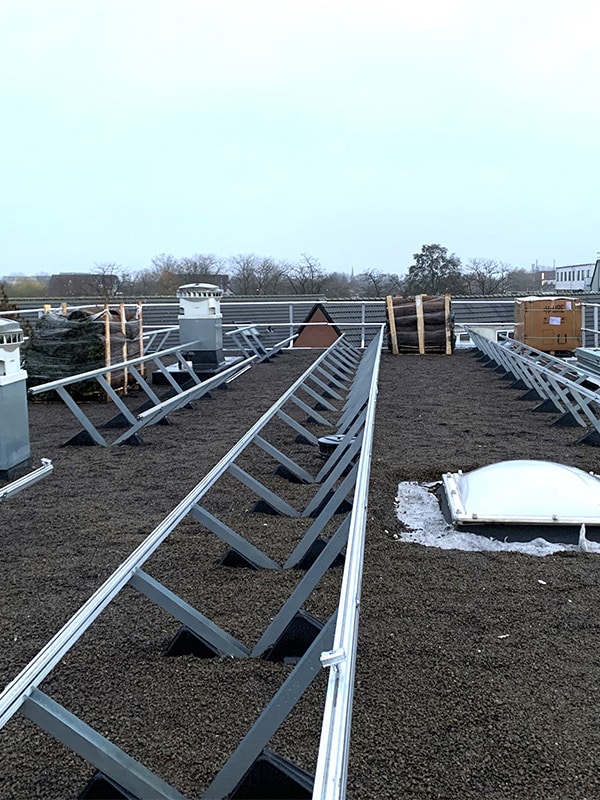
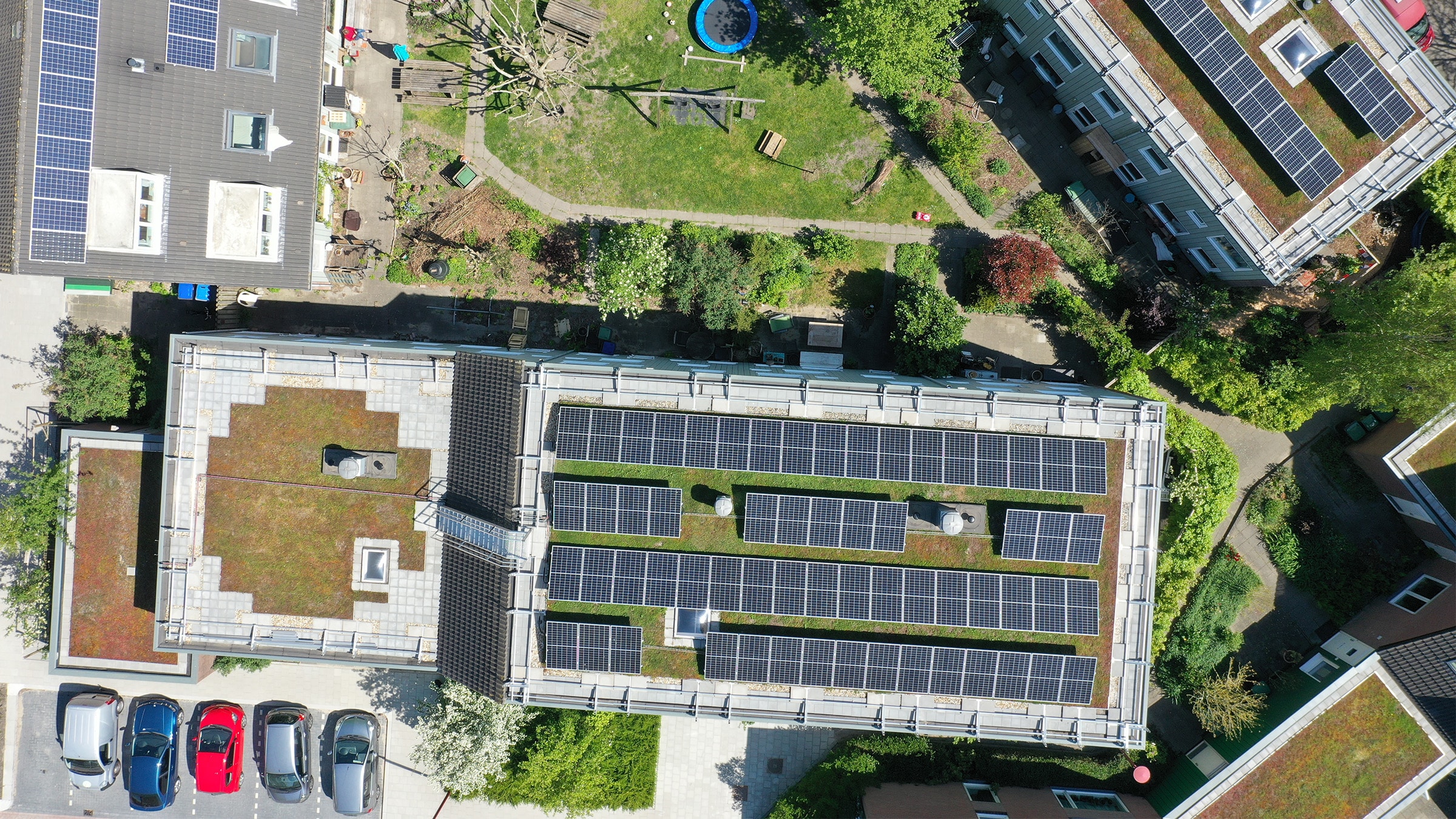
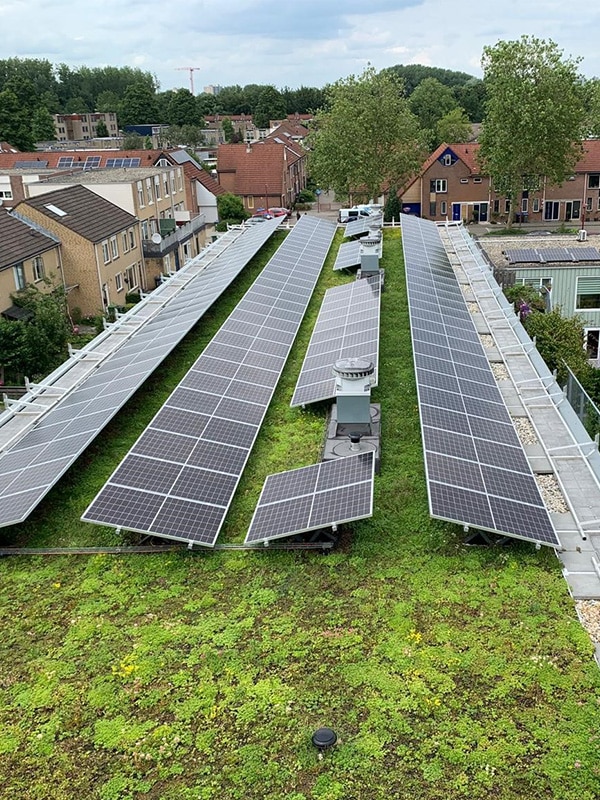
Jutphaas Wonen and Wallaard Vegetatiedaken installed a 2,500 m² Solar Sedum Roof with 378 solar panels. This project generates clean energy, offering tenants a 15-year energy tax discount and contributing to a significant CO₂ reduction.
Every part of the roof contributes. Rainwater is buffered and nature is given room to grow.
The roof stores water during heavy rainfall and helps cool the surroundings during summer heat.
A diverse planting plan attracts pollinators, birds and native insects. This turns the roof into a thriving ecosystem.
Commissioned by Jutphaas Wonen, Wallaard Vegetatiedaken installed the Solar Sedum Roof with a total surface of 2,500 m². The roof is fitted with no fewer than 378 solar panels. The renewable energy generated is not only beneficial for the environment, but also for the tenants. As participants in the project, tenants receive a 15-year discount on their energy tax thanks to the clean energy produced. In 2021, the annual yield was no less than 144,000 kWh, contributing to a reduction of 66,000 kg of CO₂ emissions.
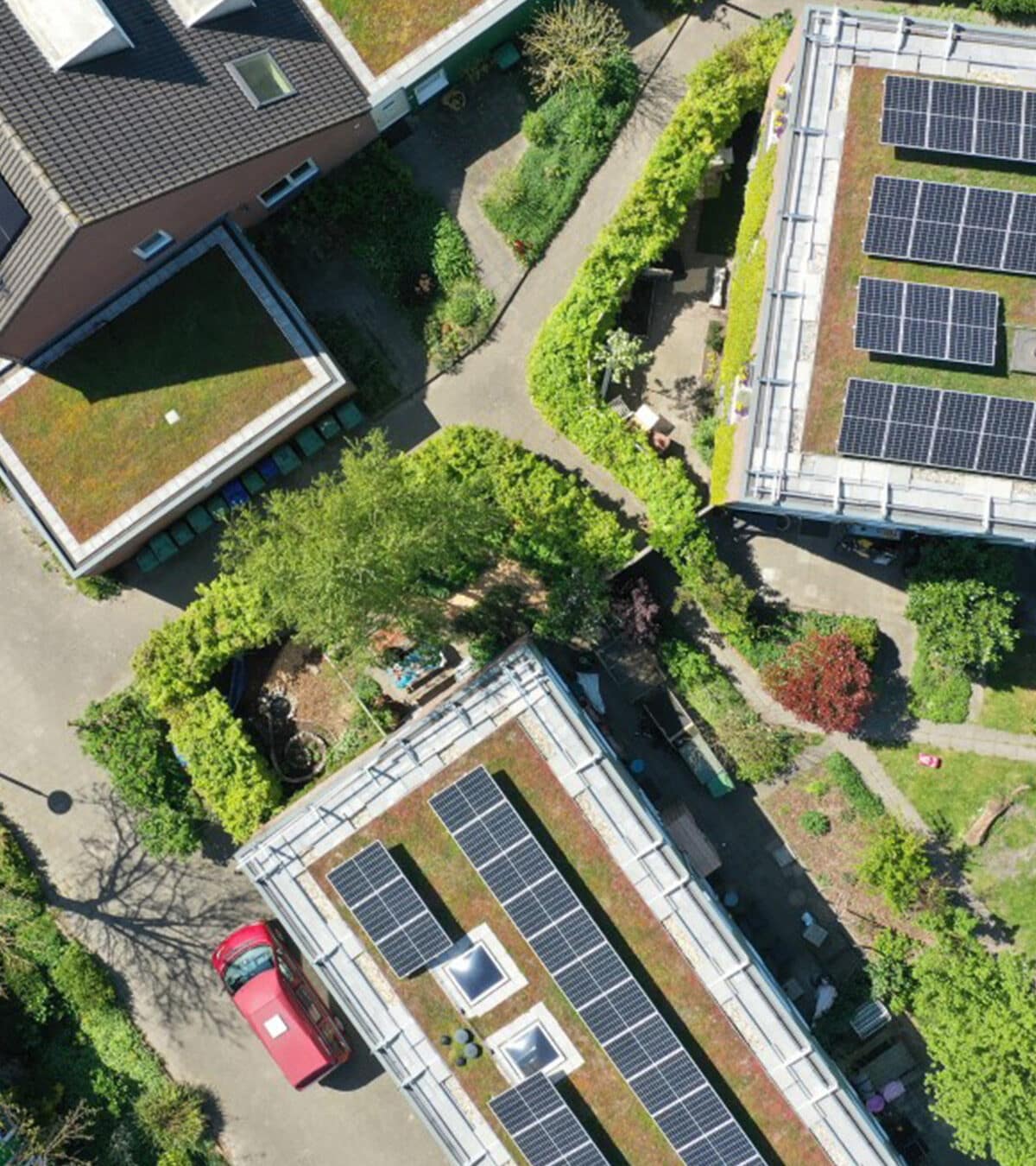
Commissioned by Jutphaas Wonen, Wallaard Vegetatiedaken installed the Solar Sedum Roof with a total surface of 2,500 m². The roof is fitted with no fewer than 378 solar panels. The renewable energy generated is not only beneficial for the environment, but also for the tenants. As participants in the project, tenants receive a 15-year discount on their energy tax thanks to the clean energy produced. In 2021, the annual yield was no less than 144,000 kWh, contributing to a reduction of 66,000 kg of CO₂ emissions.


In several other projects by housing assocation Jutphaas Wonen, where green roofs combined with solar panels have also been installed, the housing corporation chose to finance the panels itself. “This way, we don’t need tenants’ approval, which results in a quick and efficient approach and realization of sustainable projects,” says Frans Bouwman, Project Manager Real Estate at Jutphaas Wonen.
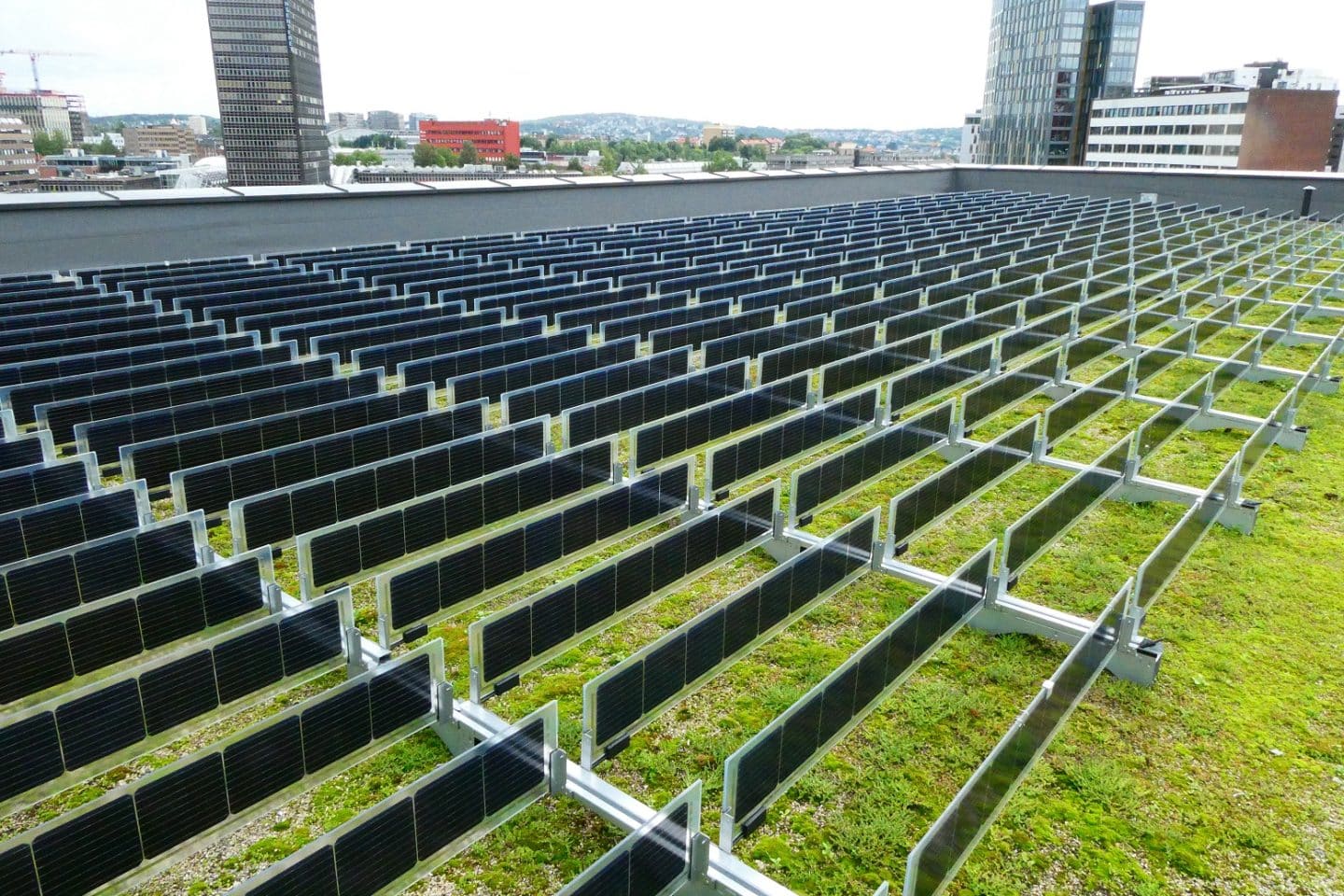
So what makes the combination of a green roof with solar panels so sustainable? The reason lies in the cooling effect of the green roof. Solar panels achieve their highest efficiency at lower air temperatures. On hot summer days, however, rooftop temperatures can rise to 70 to 80 degrees. The vegetation of the Sedum roof keeps the ambient temperature lower, allowing solar panels to produce more power. With a Solar Sedum Roof, not only is renewable energy generated, but the efficiency of the solar panels also increases by 6 to 10 percent, thanks to the cooling effect of the green roof.
In addition to generating renewable energy, the Solar Sedum Roof makes an important contribution to local biodiversity. Sedum plants improve the habitat for insects, butterflies, and birds—especially in the paved environment of the city. The green roof serves as a stepping stone between gardens and parks in the built-up area. Furthermore, the Solar Sedum Roof positively contributes to air quality, climate, water management, and the living environment of city residents. This is also reflected in the enthusiastic responses from Jutphaas Wonen tenants, who overlook the lower-lying Solar Sedum Roofs.
“Sometimes we receive photos from residents showing how happy they are with their view.”
Ready to make a difference? At Sempergreen, we believe in building a greener future, one step at a time. Our innovative solutions are designed to help you decrease your footprint and contribute to a more sustainable world. Join us in replanting the planet!