Meets LEED and BREEAM standards
Sempergreen’s biodiverse roofs help achieve LEED and BREEAM points through measurable ecological and environmental performance.
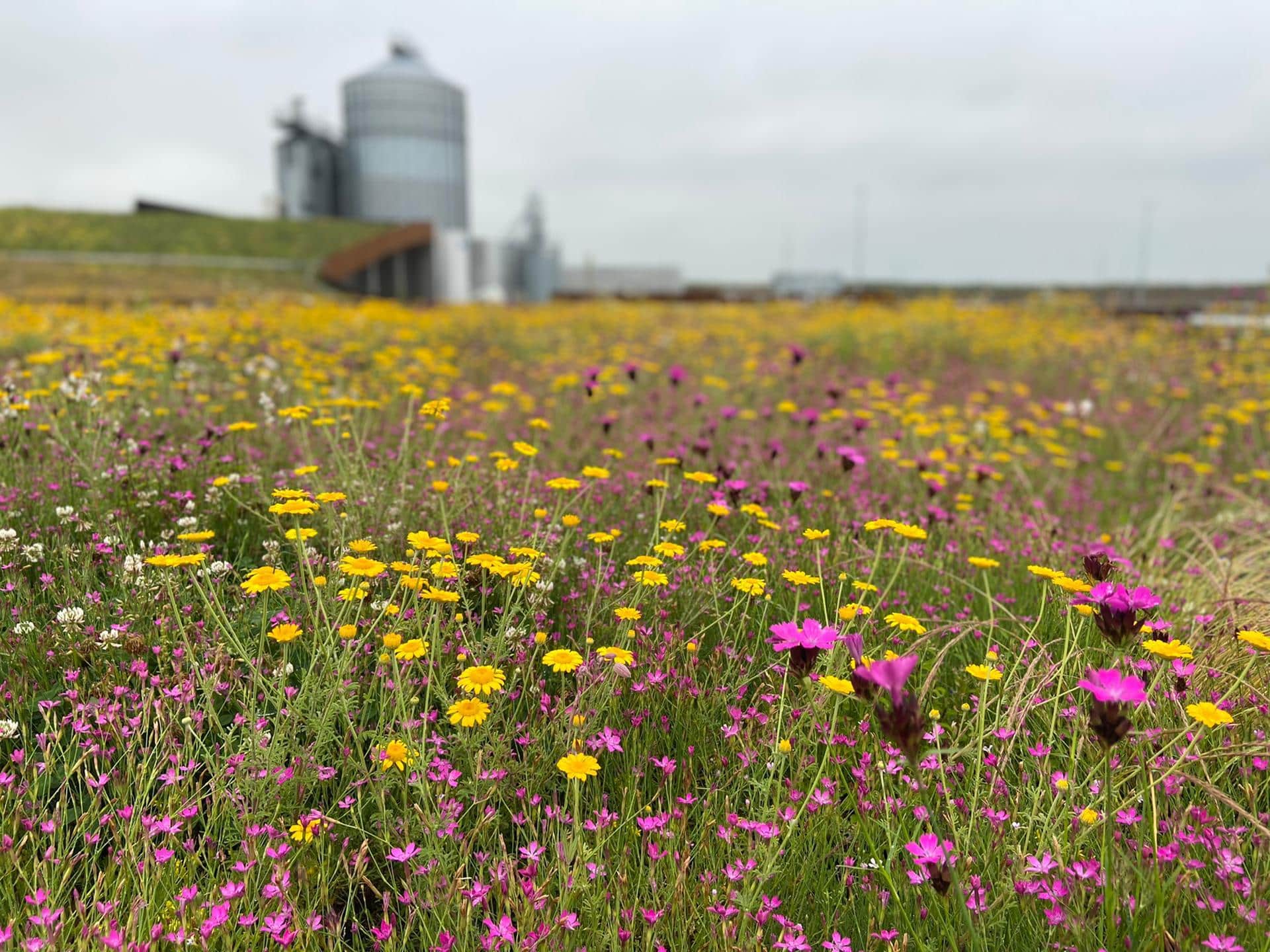
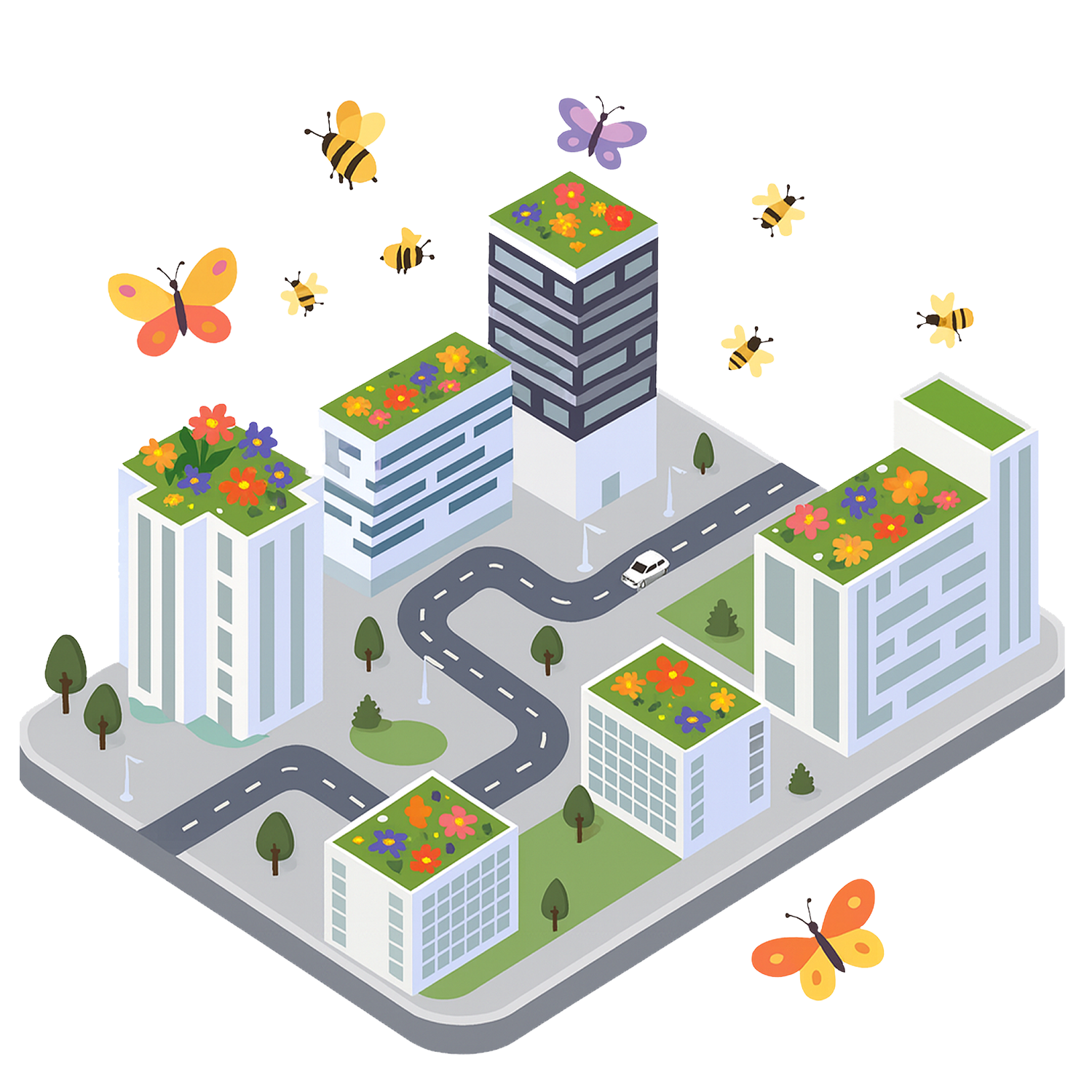
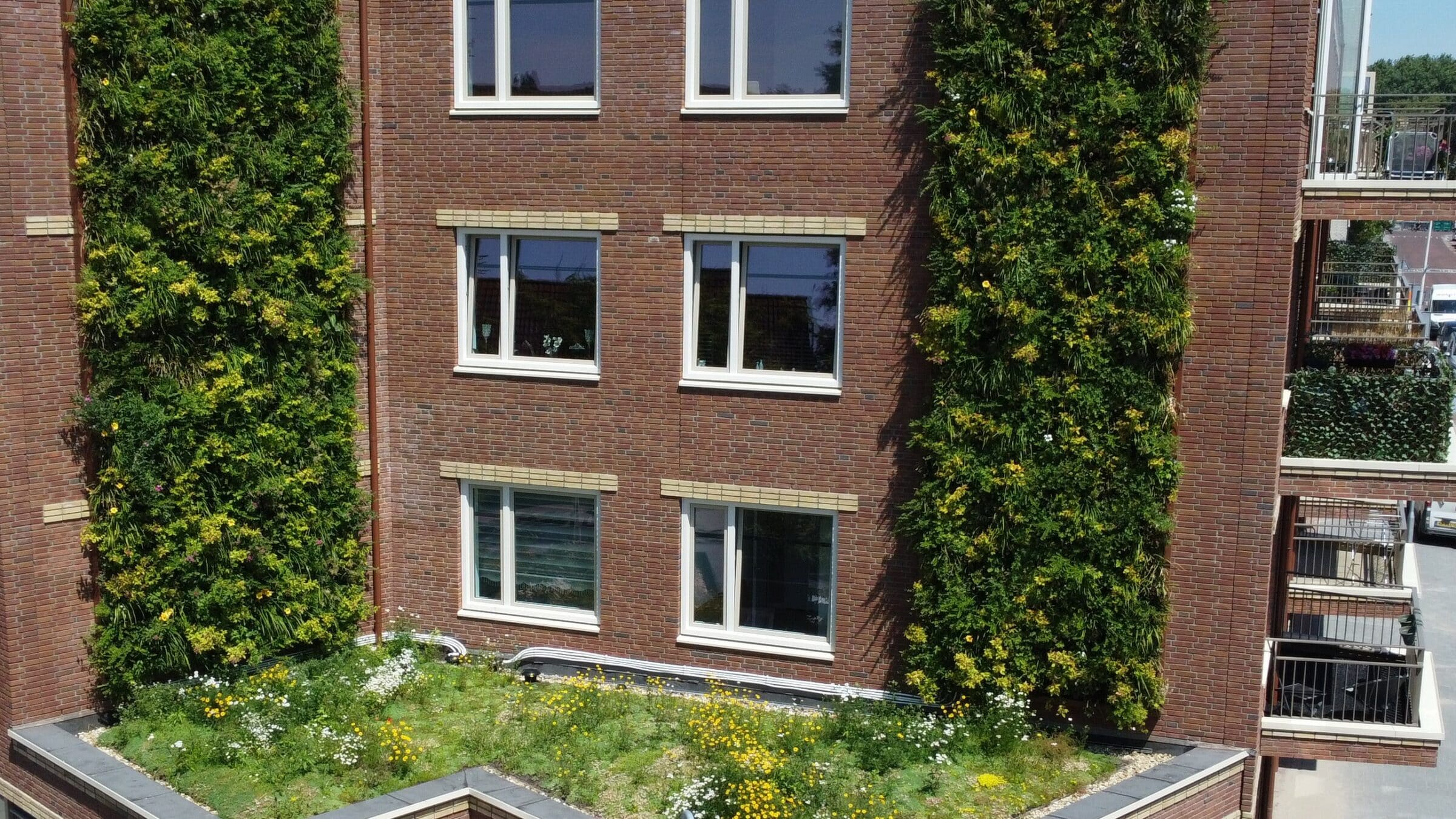
With biodiverse green roofs, every building becomes part of nature. They create vibrant habitats, support pollinators and bring colour, life and resilience back to our cities.
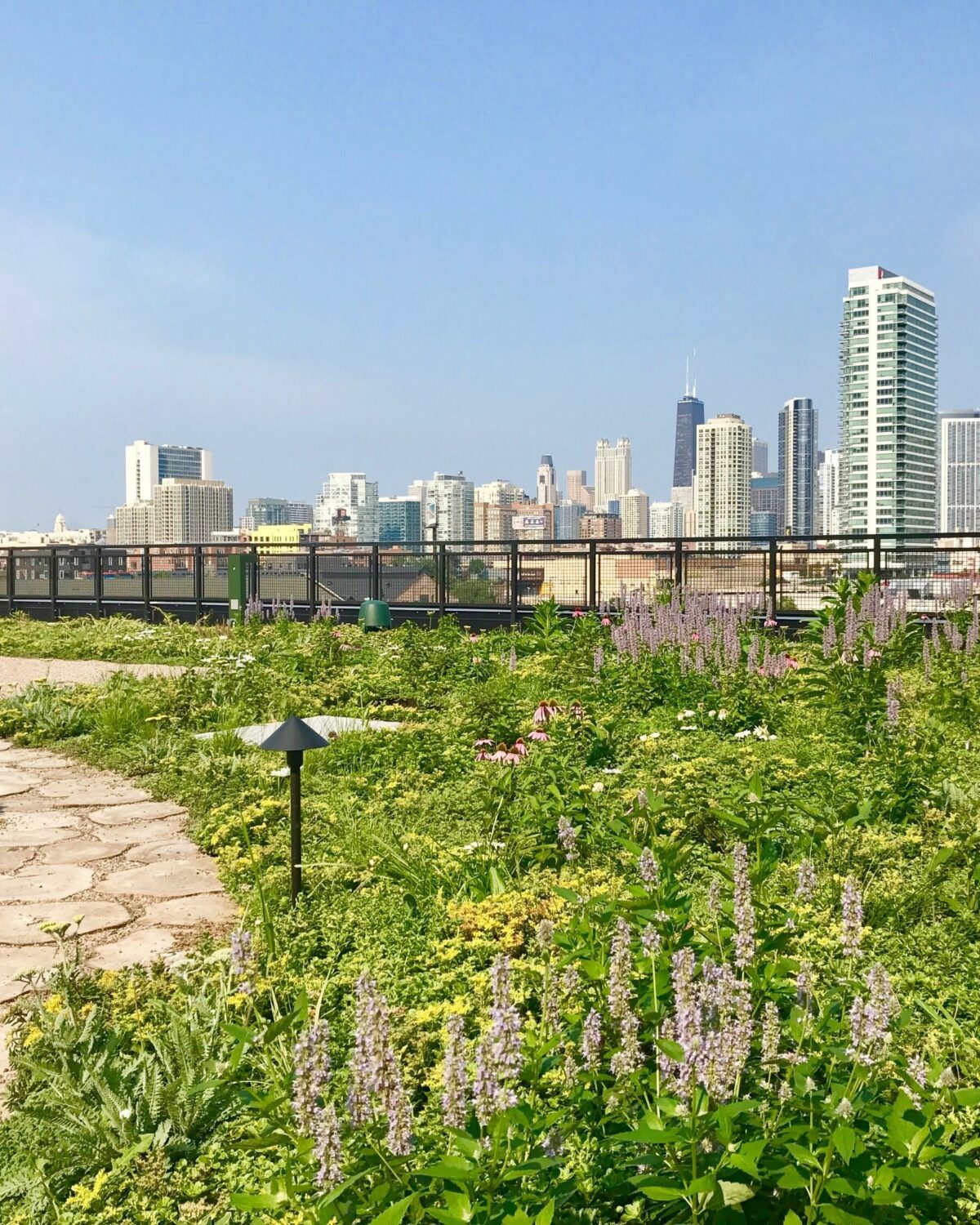
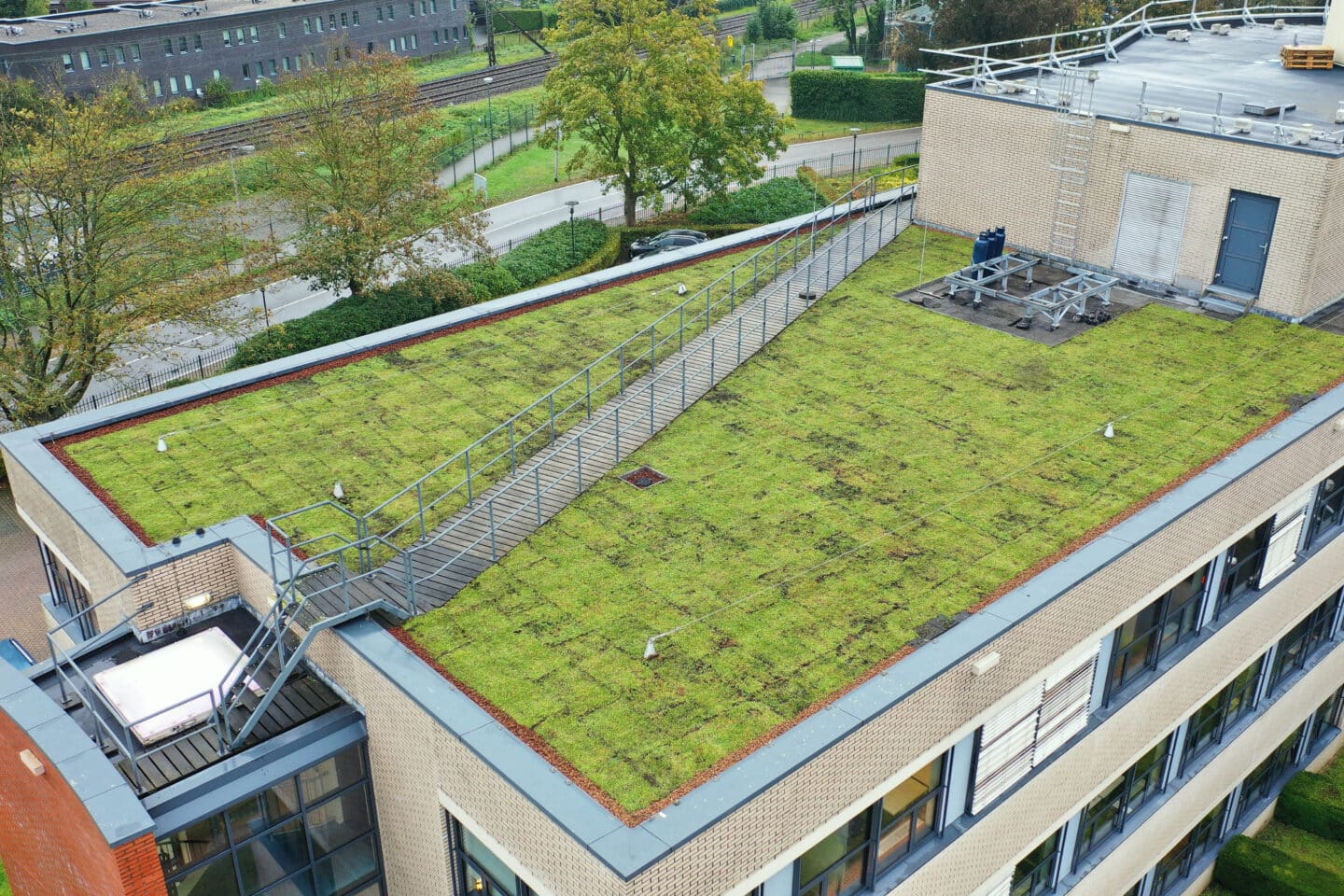
We rely on nature more than we realise. Yet urbanisation keeps pushing it away. Flowergreen roofs help restore the balance. A biodiverse green roof brings back plants, insects and birds, improves air quality and cools the city. By reconnecting green spaces, we can revive urban biodiversity and make our cities thrive again. The need is urgent, but the solution is simple.
Sempergreen’s biodiverse roofs help achieve LEED and BREEAM points through measurable ecological and environmental performance.
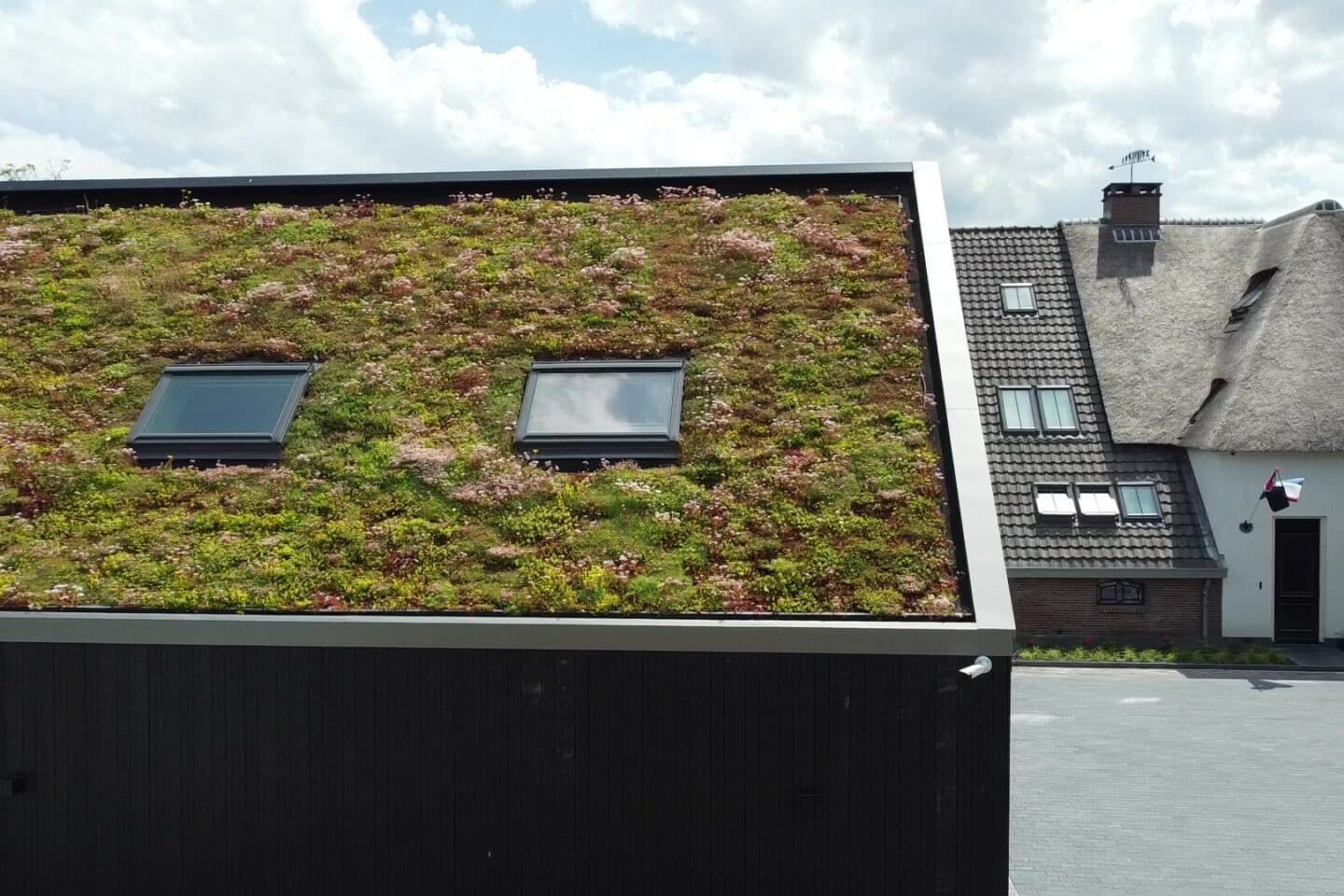
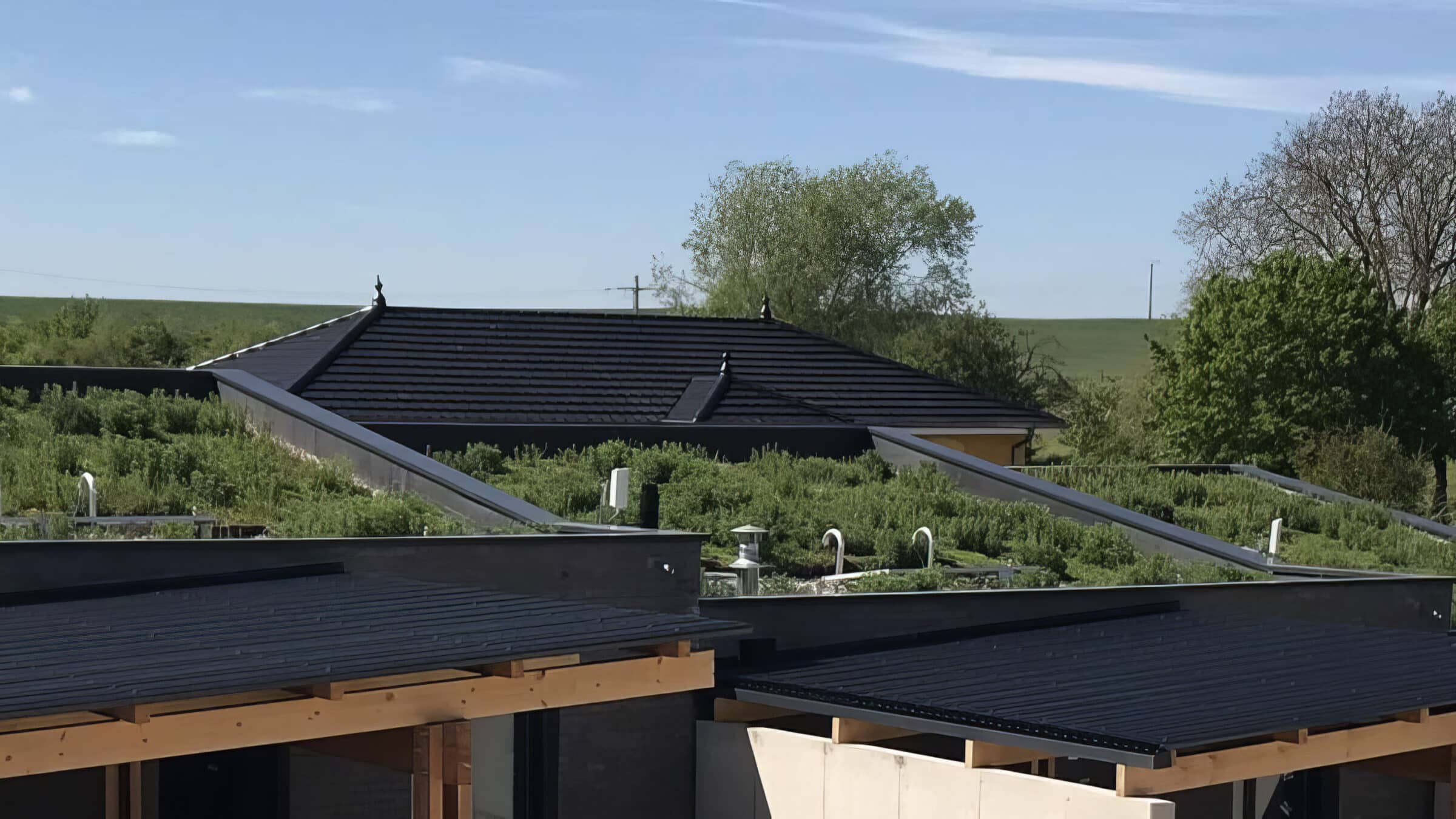
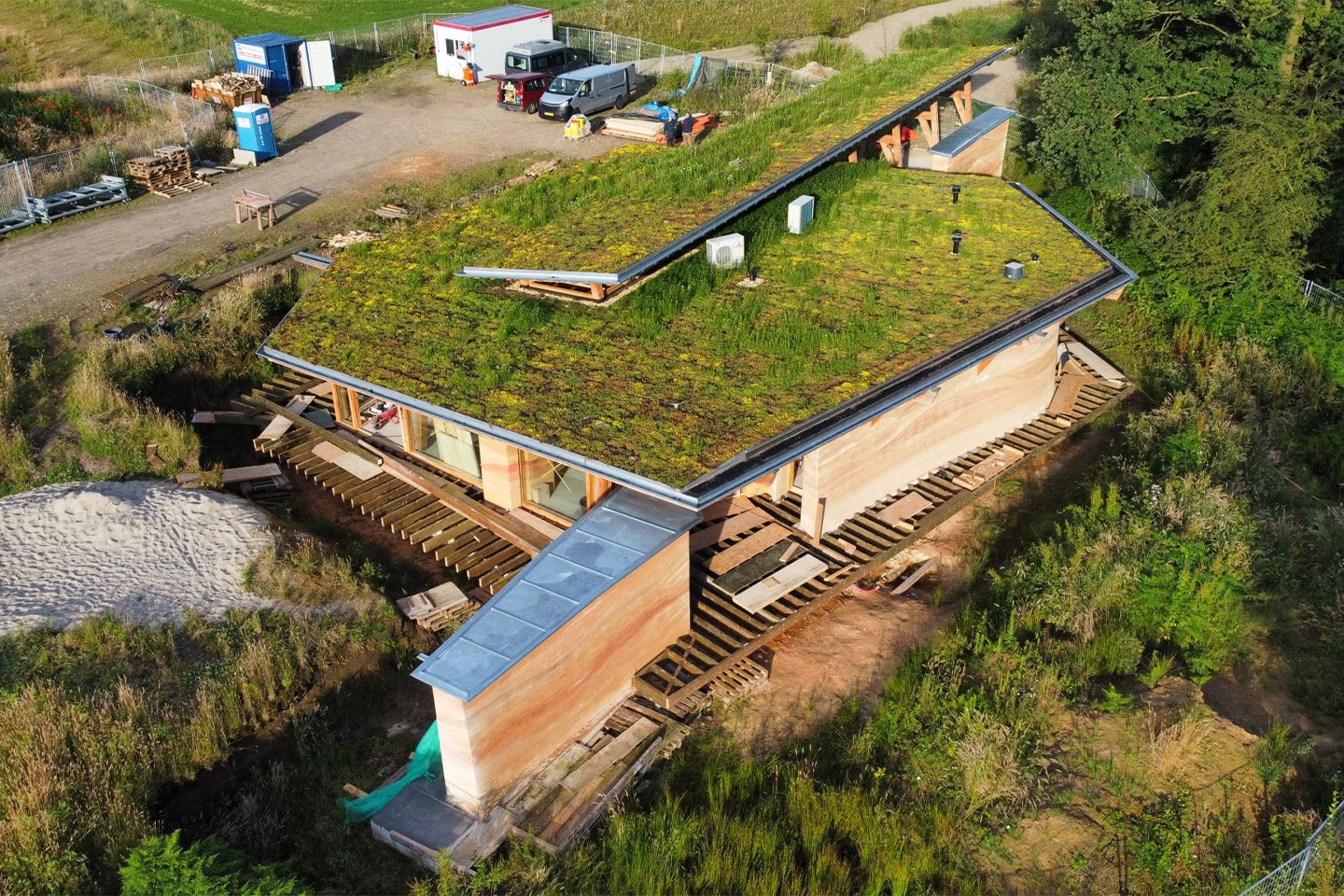
Flower green roofs are suitable for both flat and gently sloping roofs, offering flexible design and easy installation.
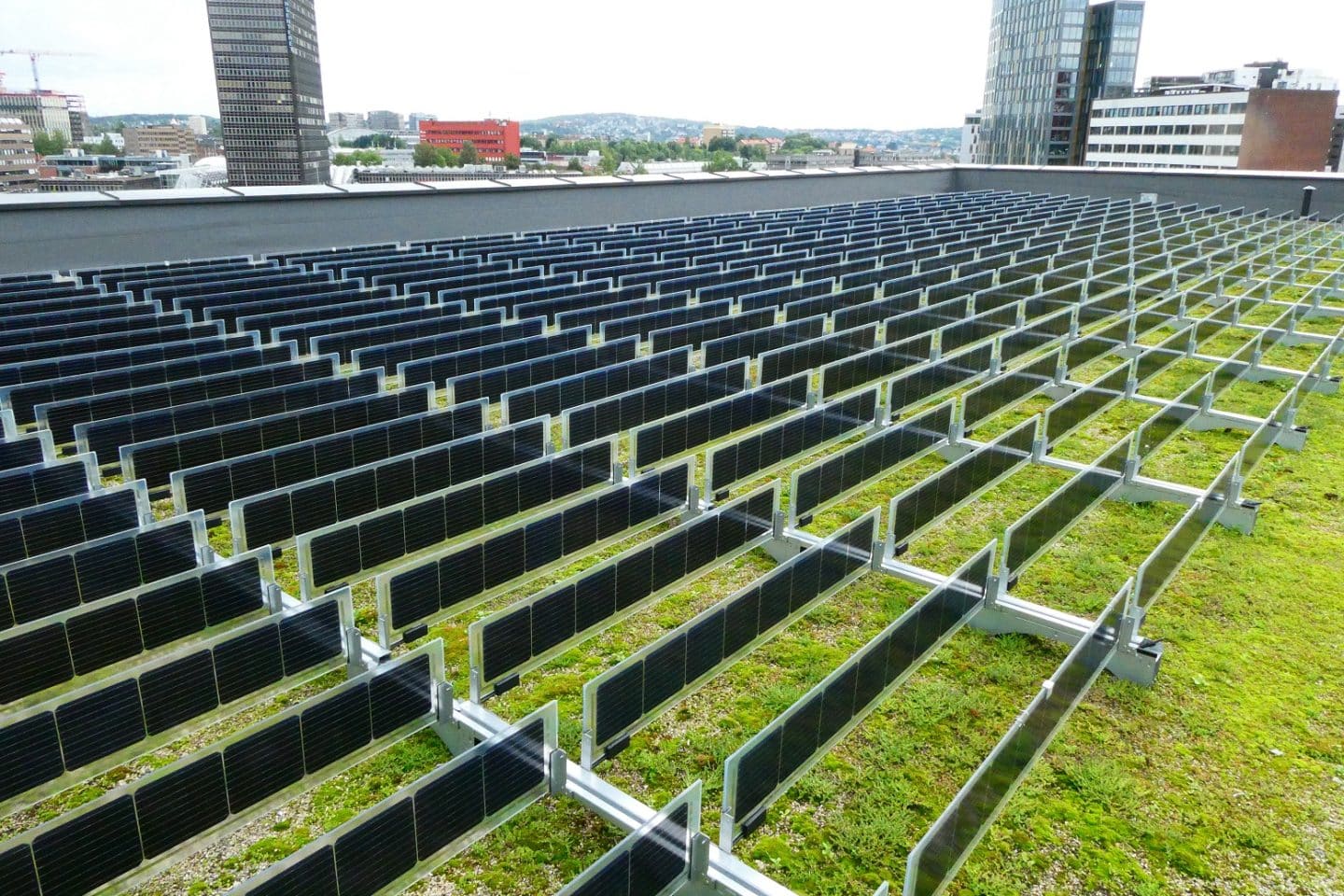
By combining solar panels with a Flower green roof, energy and ecology work hand in hand.
The type of green roof suitable for your project depends on its purpose and the roof’s load-bearing capacity. Biodiverse green roofs feature a thicker substrate layer that allows insects to pupate and thrive.
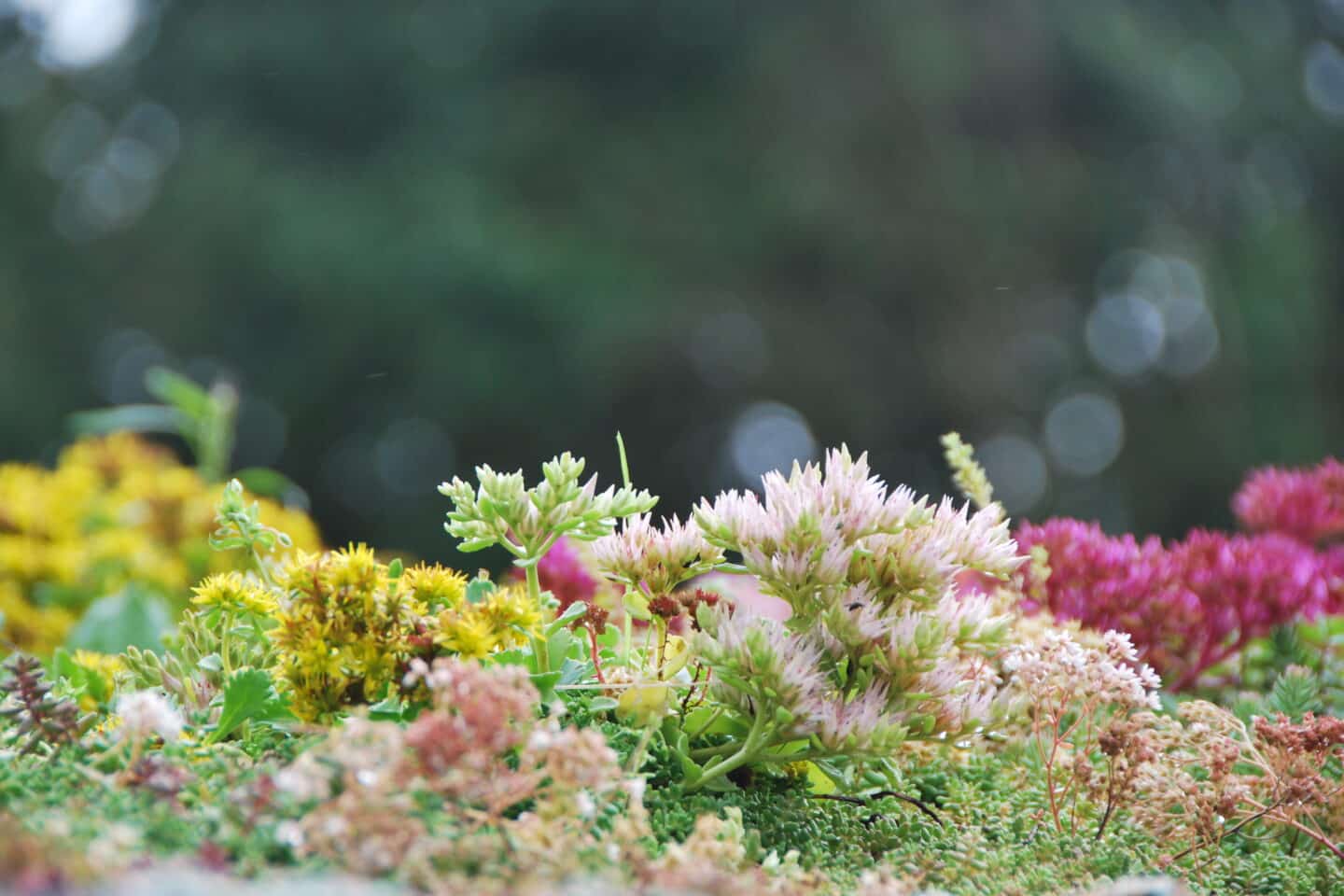
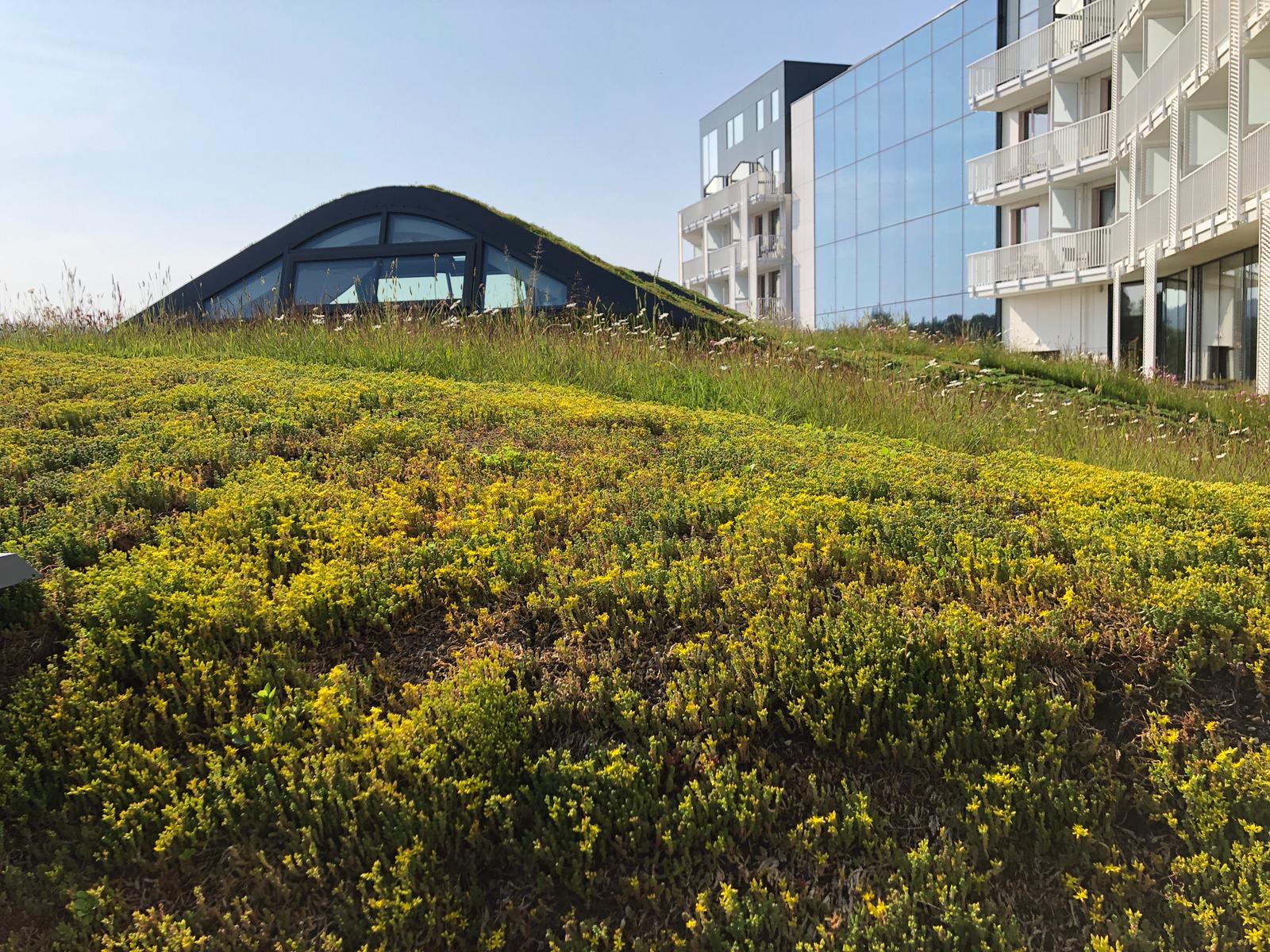
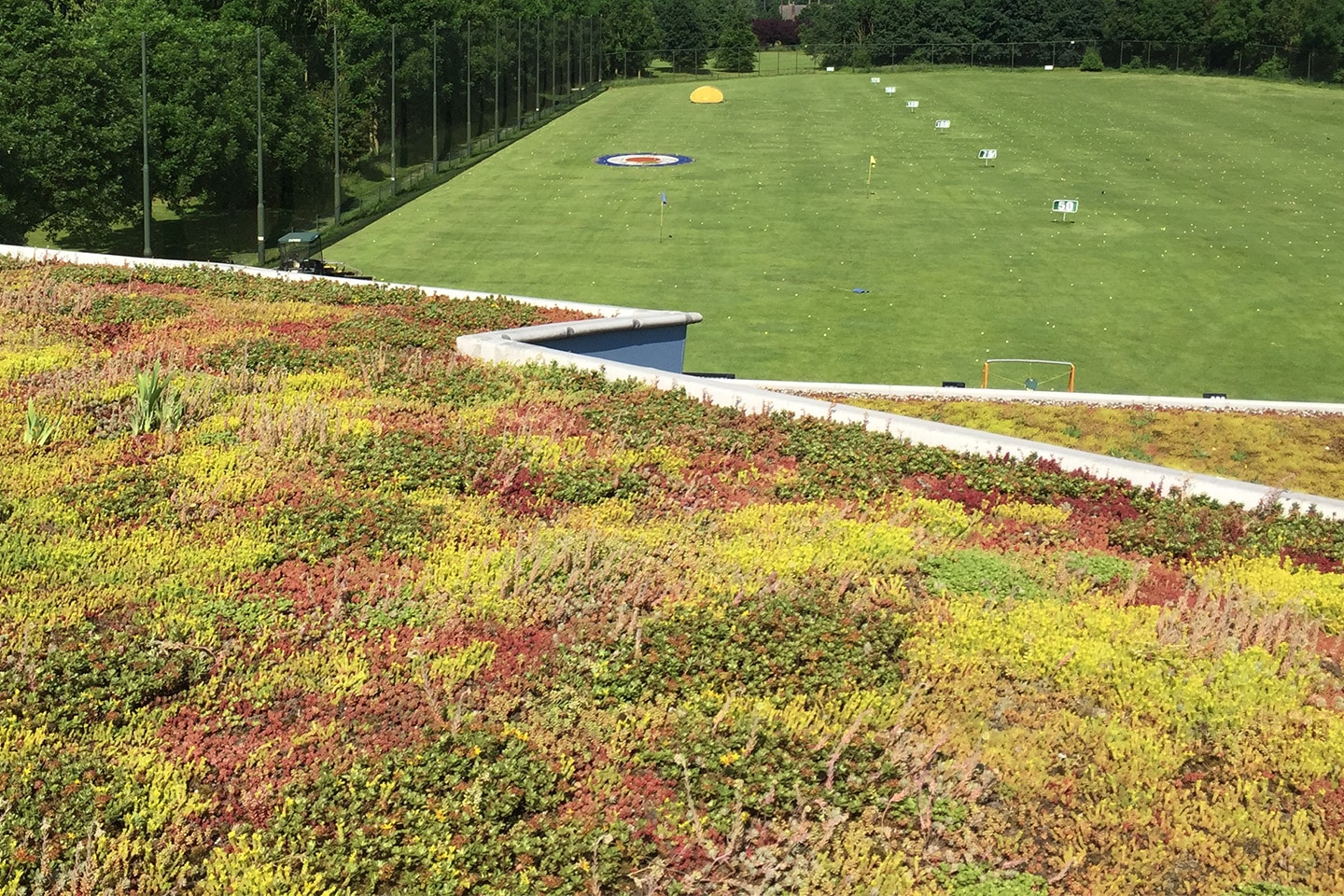
There are two types of Flowergreen roofs available: the Flowergreen Herba, featuring a vibrant mix of Sedum and herbs that add colour, fragrance and year-round ecological value, and the Flowergreen Flora, which combines over twenty plant species that are highly attractive to bees, butterflies and other pollinators.
Biodiversity loss is not a problem of the future — it’s already happening, and the time to act is now.
Every project deserves a flowergreen roof that fits perfectly. Whether for pitched green roof, solargreen or bluegreen roof, we’ll guide you to the right choice. Answer a few quick questions and receive customised advice from our experts.
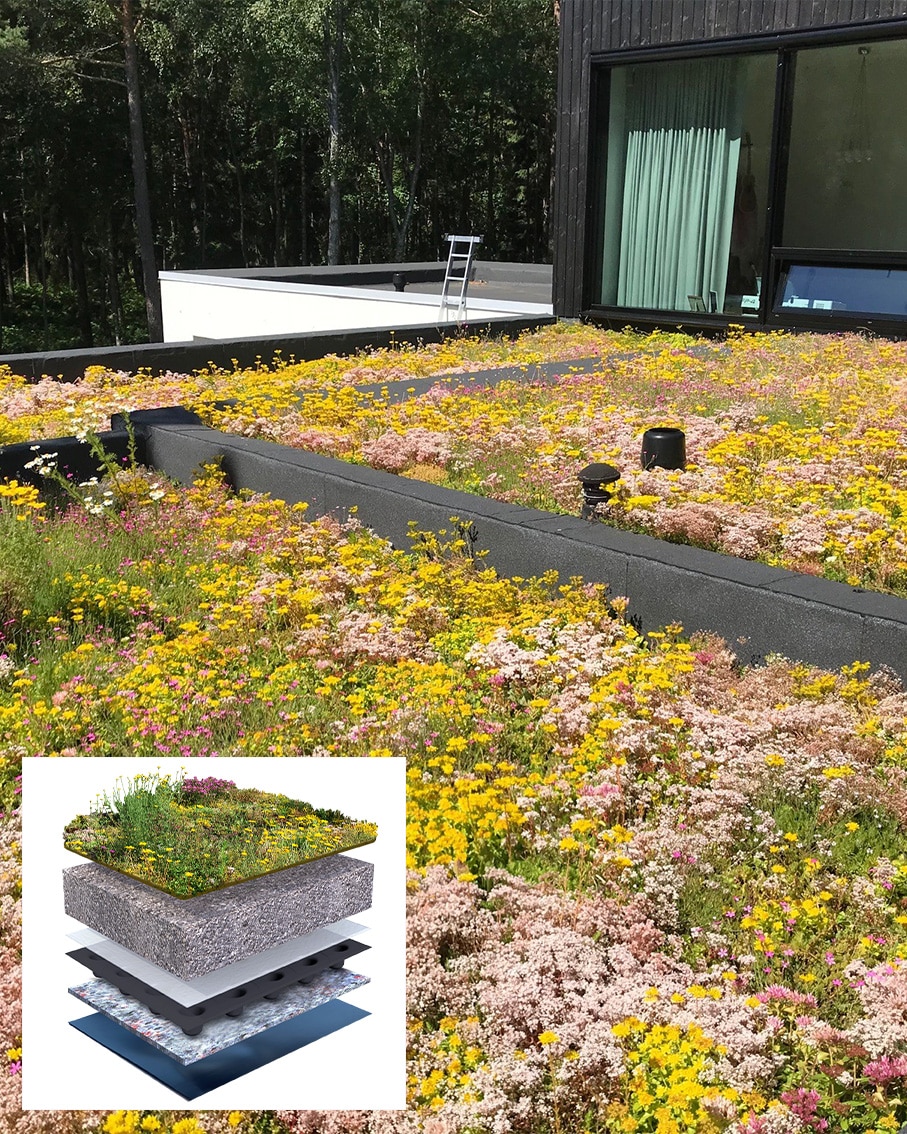
The lightweight Flowergreen Herba brings your roof to life with colour and energy. Its smart structure starts with a drainage layer, followed by at least 70 mm of extensive green roof substrate, topped with the Sempergreen Biodiversity Blanket Sedum-Herbs. Grown with more than 12 Sedum varieties and 30 herb species, it offers a vibrant display of biodiversity throughout the year.
With a minimal saturated weight of 100 kg/m², this system is ideal for roofs with limited load-bearing capacity and can even be applied on slopes up to 20 degrees, turning every surface into a living landscape.
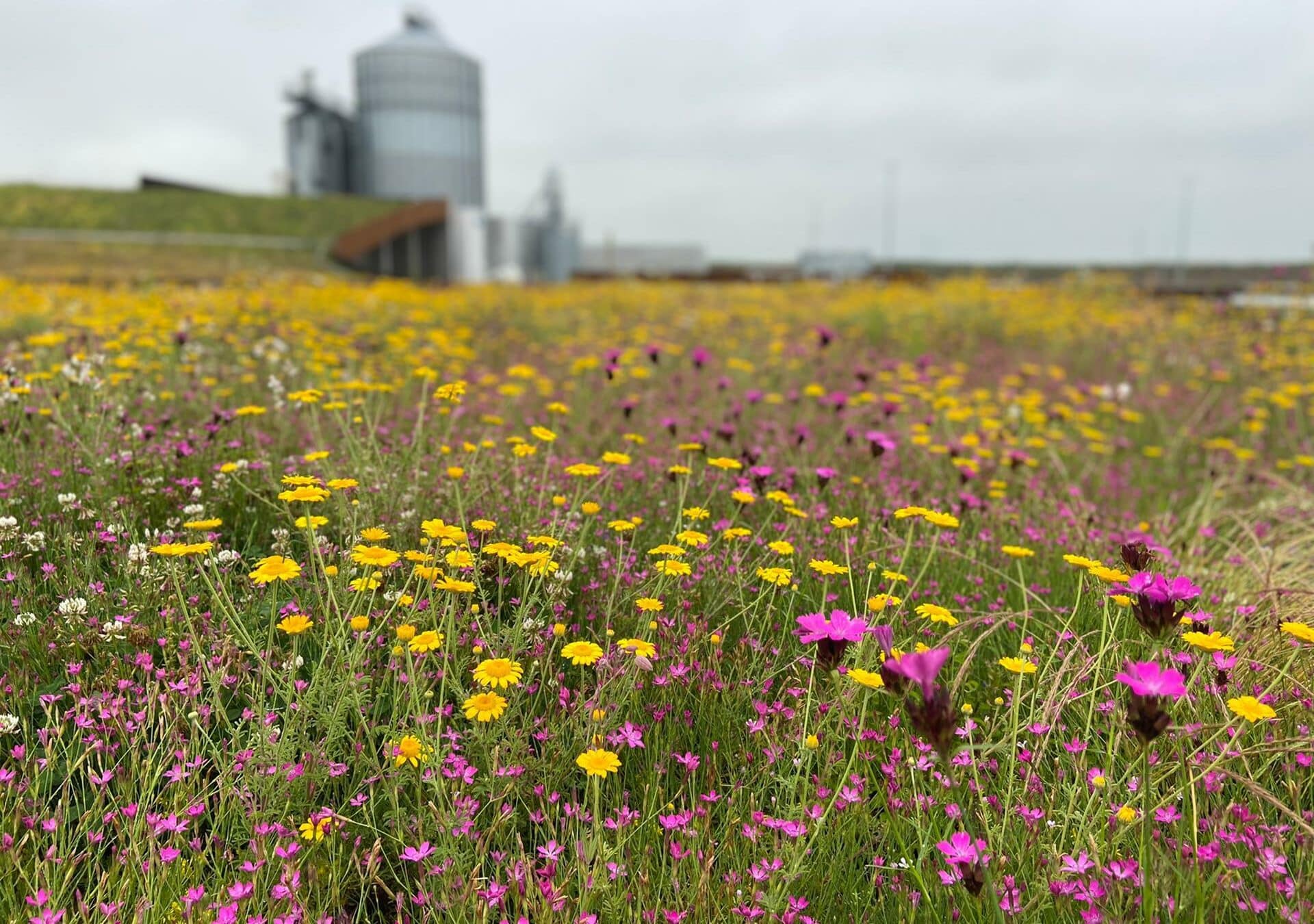
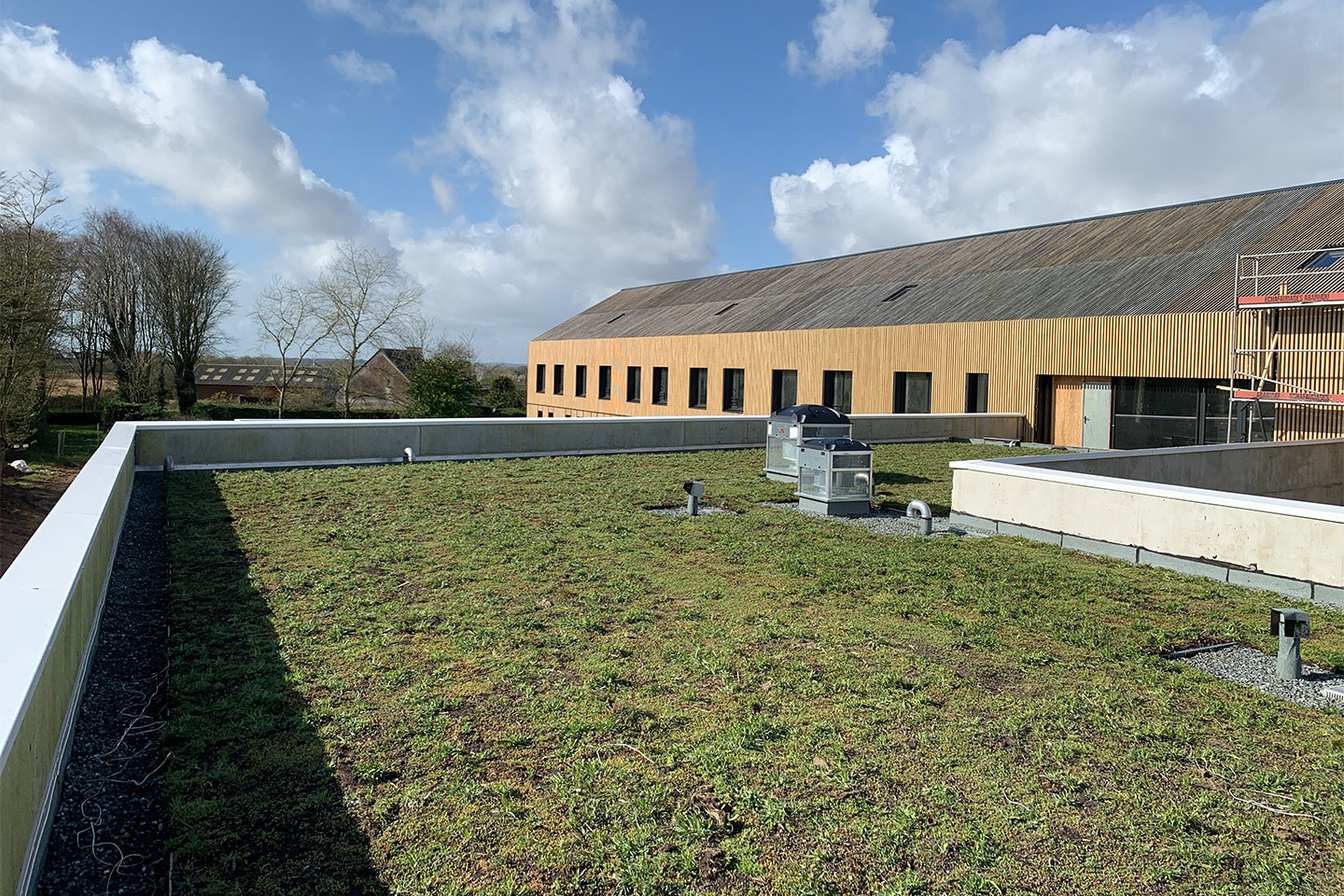
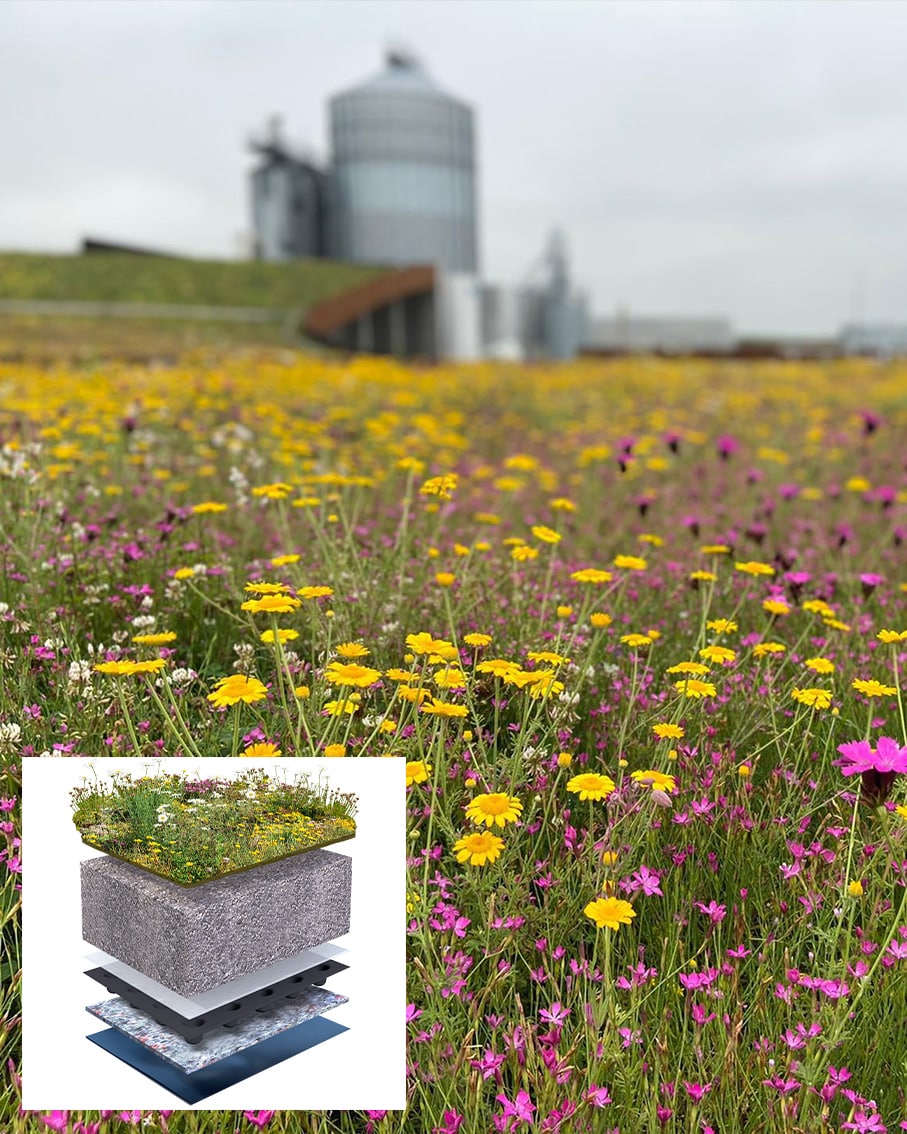
The Flowergreen Flora turns every roof into a thriving ecosystem. A drainage layer forms the foundation, topped with at least 120 mm of rich, intensive substrate and our vibrant Sempergreen Biodiversity blanket Bees & Butterflies. This unique mat is cultivated with over 20 native plant species that attract bees, butterflies and other pollinators.
Developed in close collaboration with the Dutch Butterfly Foundation and Bee Foundation, it reflects our shared mission to restore nature in the city. With a minimal saturated weight of 210 kg/m², this robust system creates stepping stones across the urban areas, helping birds and insects move freely between parks, gardens and natural areas.
Our green roof systems transform rooftops into climate solutions. They retain rainwater, cool cities, enhance biodiversity and even boost solar performance. Each system is carefully engineered for durability and designed to make every square meter count for people and the planet.

Get clear answers to your questions about biodiversity on flowergreen roofs, from plant choices and maintenance to combining them with solar panels.
Absolutely. All green roofs provide habitat and food sources for insects. The type of species depends on the vegetation: from Sedum roofs to diverse roofs with herbs and nectar-rich plants. Compared to a grey roof, every system offers a clear ecological gain. Both flat and pitched roofs can be equipped with biodiversity-enhancing systems, including lightweight options.
Besides Sedum, herbs, native flowers, and host plants greatly increase ecological value. A varied mix attracts more pollinators and supports different life stages of insects.
A biodiverse roof typically needs 3–4 maintenance visits per year. This includes fertilising, removing weeds, and checking drainage. Regular care keeps the vegetation diverse and healthy.
Yes, perfectly. Green roofs cool the panels naturally, increasing efficiency and energy yield. Biodiverse vegetation attracts insects without reducing solar performance.
A Sedum roof is lightweight and ideal for buildings with limited load capacity, providing nectar and greenery. A Biodiverse roof adds herbs, flowers, and host plants, creating much higher ecological value and supporting more species.