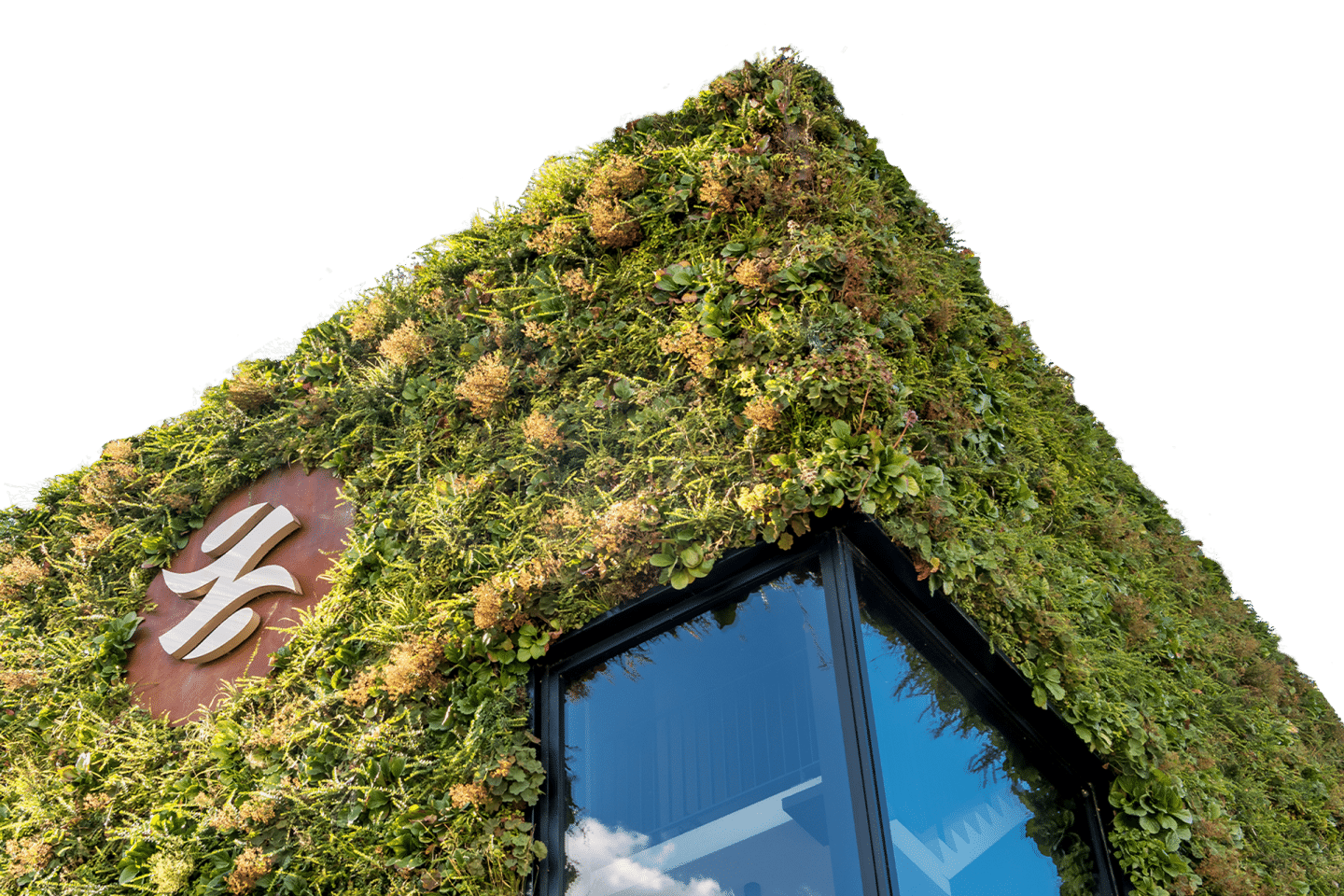
Living walls for healthy cities
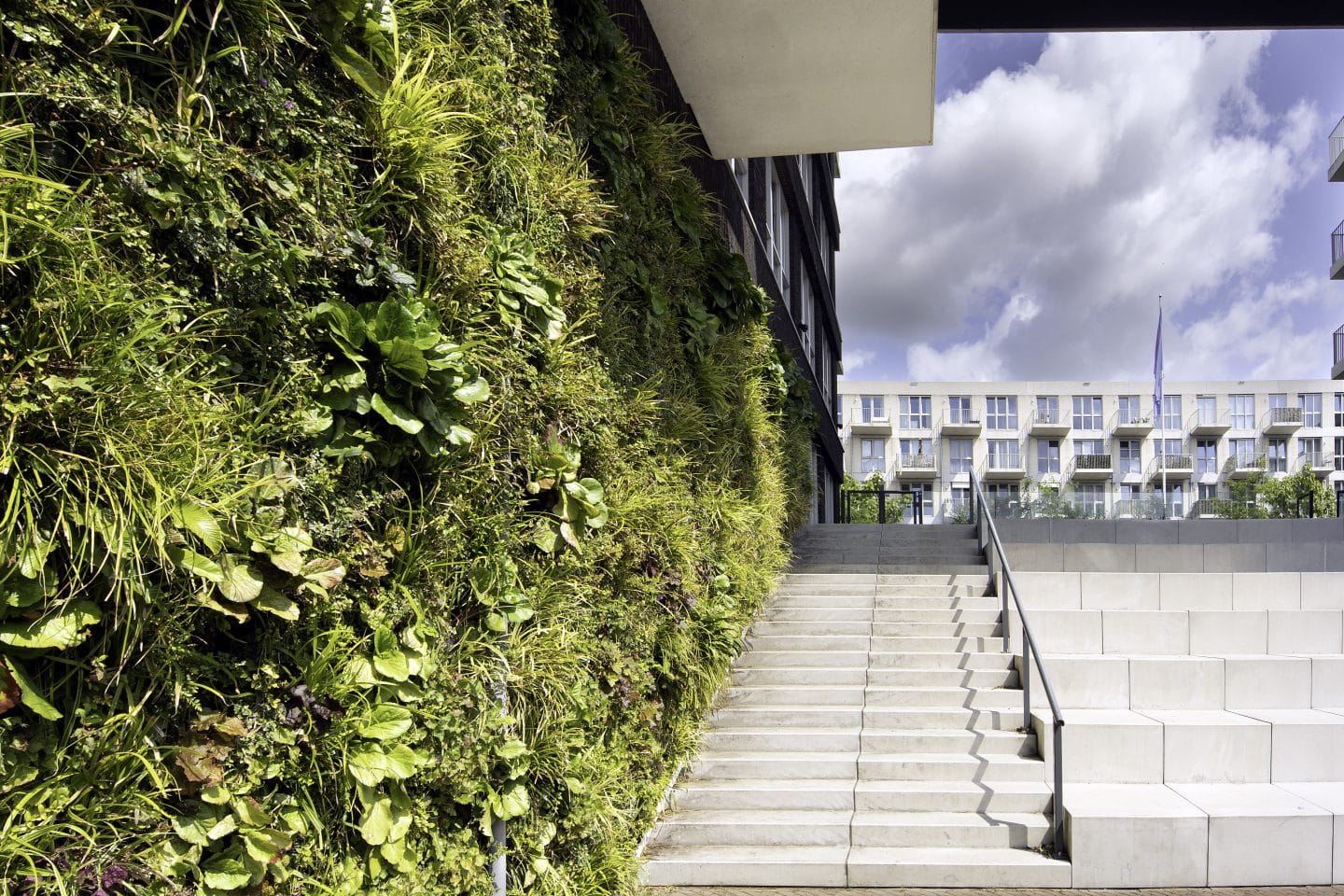
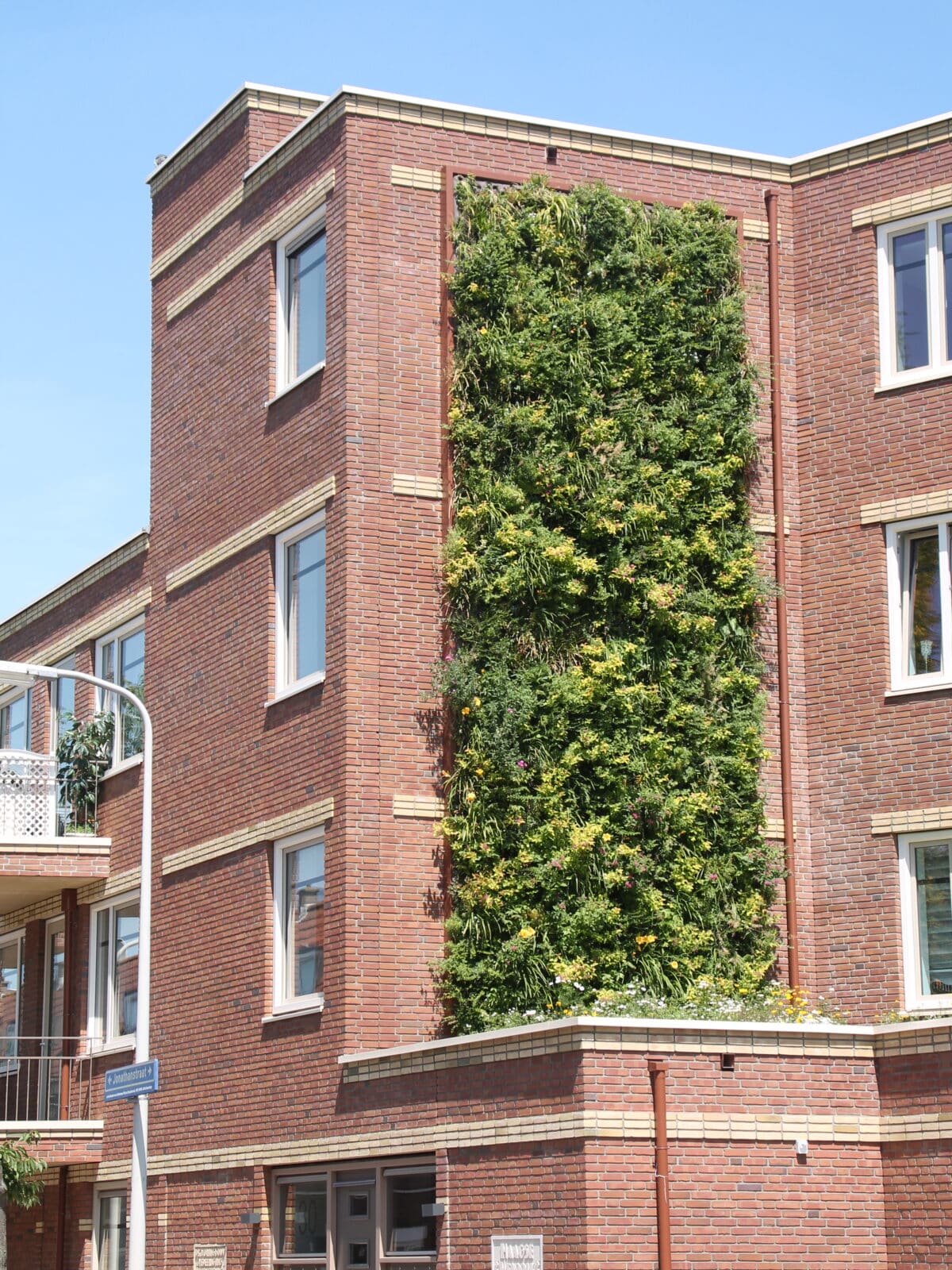
Two vertical gardens bring 40 m² of living greenery into the heart of The Hague.
Discover Gesamtschule Geldern, the first school in Kleve district to fully embrace green design! Its two new buildings feature stunning Outdoor SemperGreenwalls, showcasing an innovative commitment to sustainability and eco-friendly education.
Two vertical gardens bring 40 m² of living greenery into the heart of The Hague.
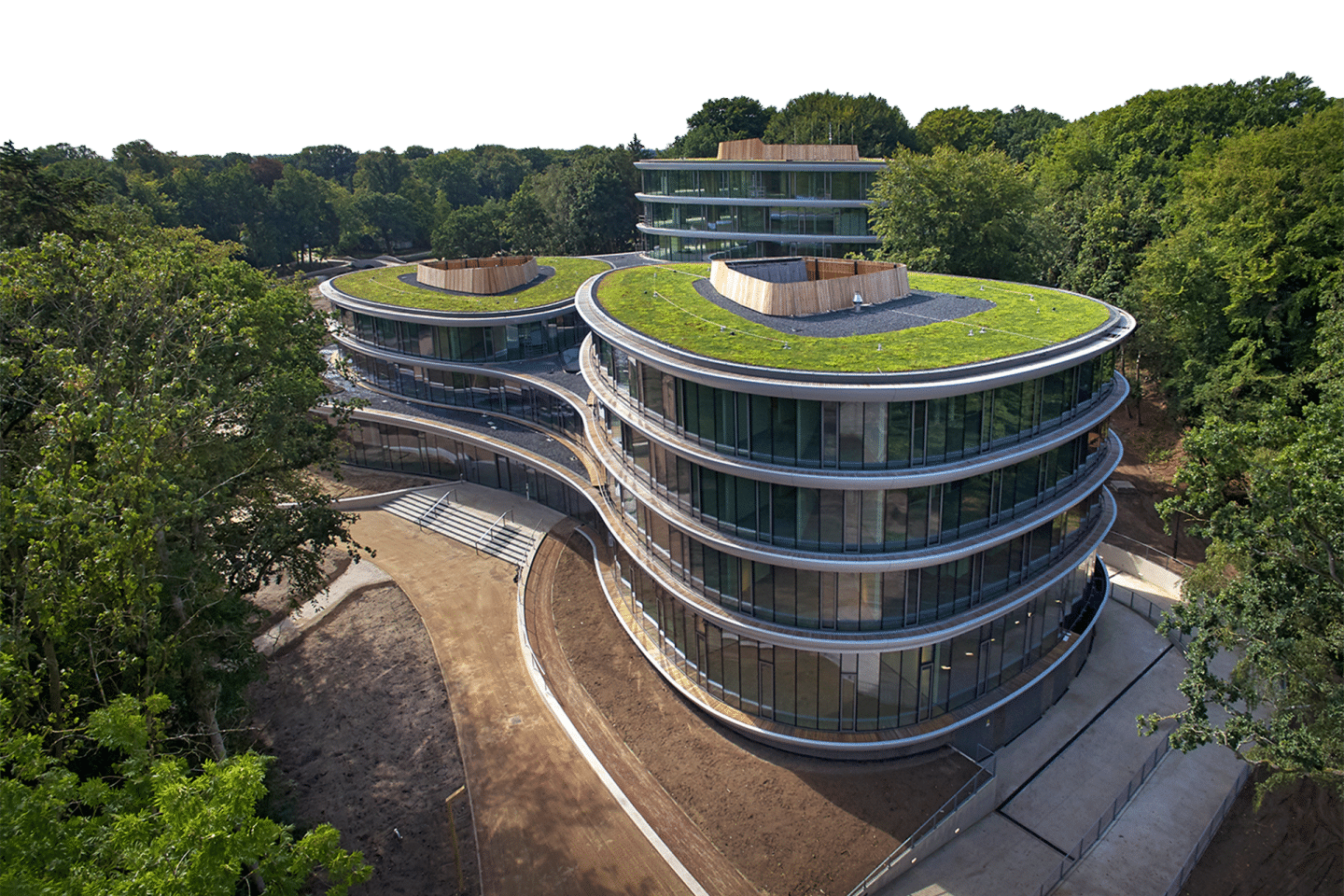
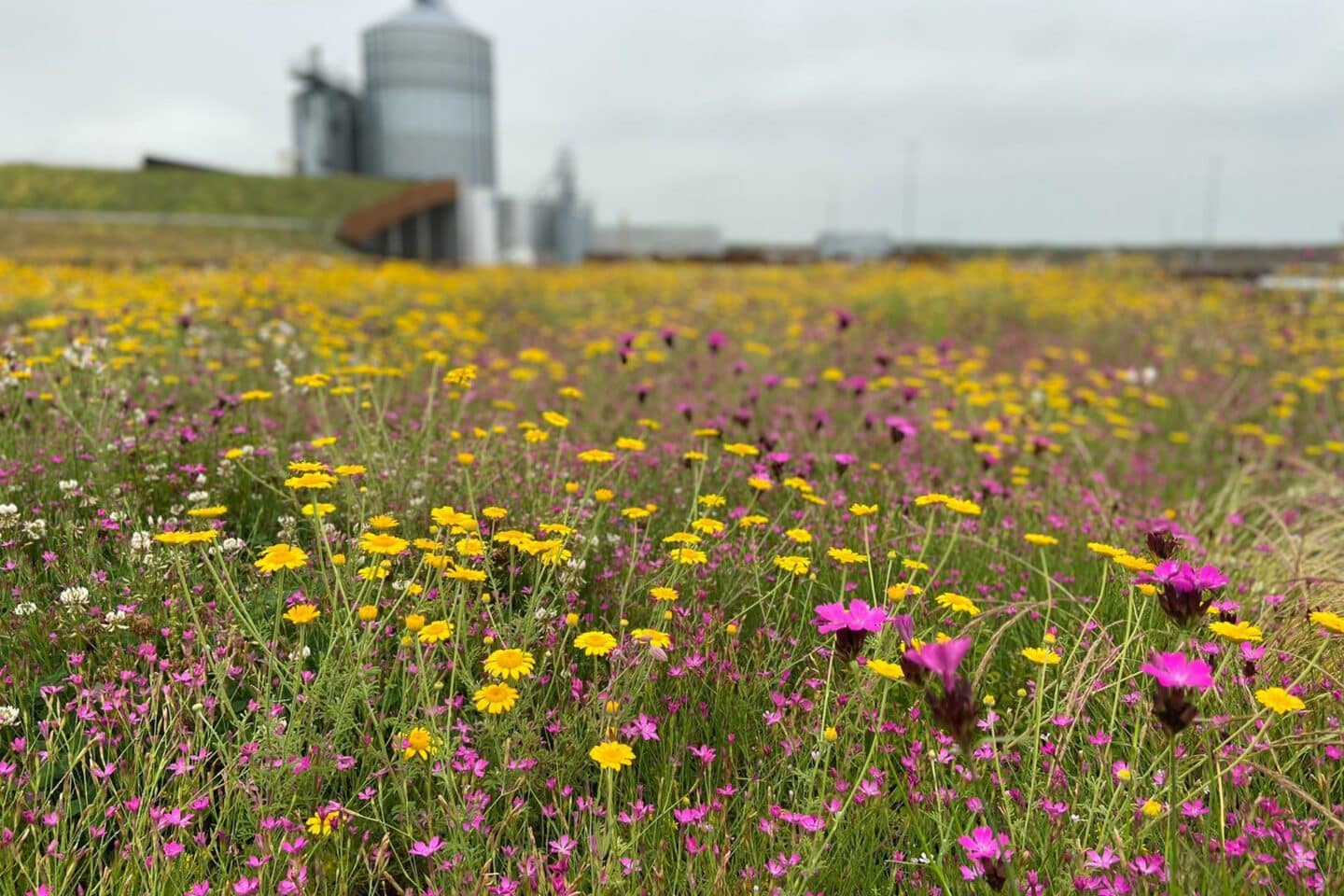
Sedum and herb roofs attract pollinators and store precious rainwater.
Automatic irrigation and nutrition keep the plants lush all year round.
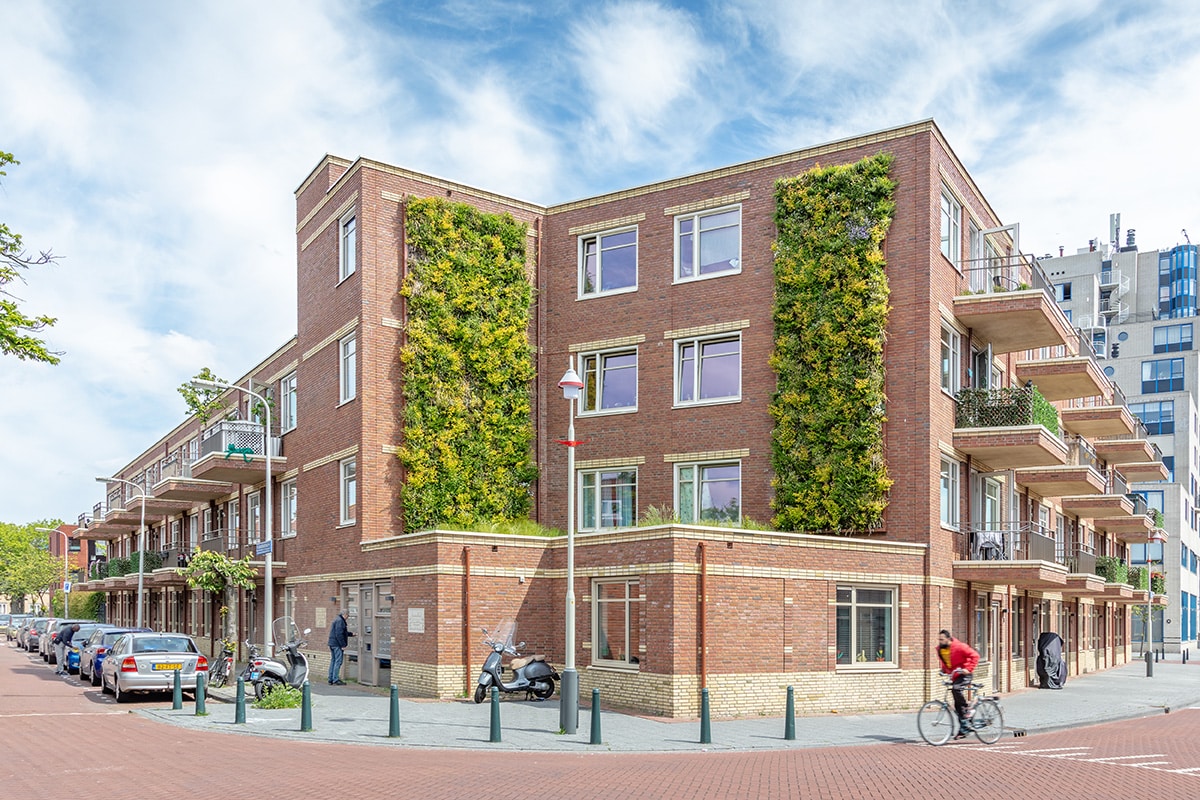
In The Hague’s Spoorwijk district, 154 sustainable homes have been built for Haag Wonen by Heembouw and designed by Heren 5 Architects. With lush green façades and Sedum roofs by Sempergreen, Haagse Hendrik turns urban renewal into a living, breathing neighbourhood where people and nature thrive side by side.
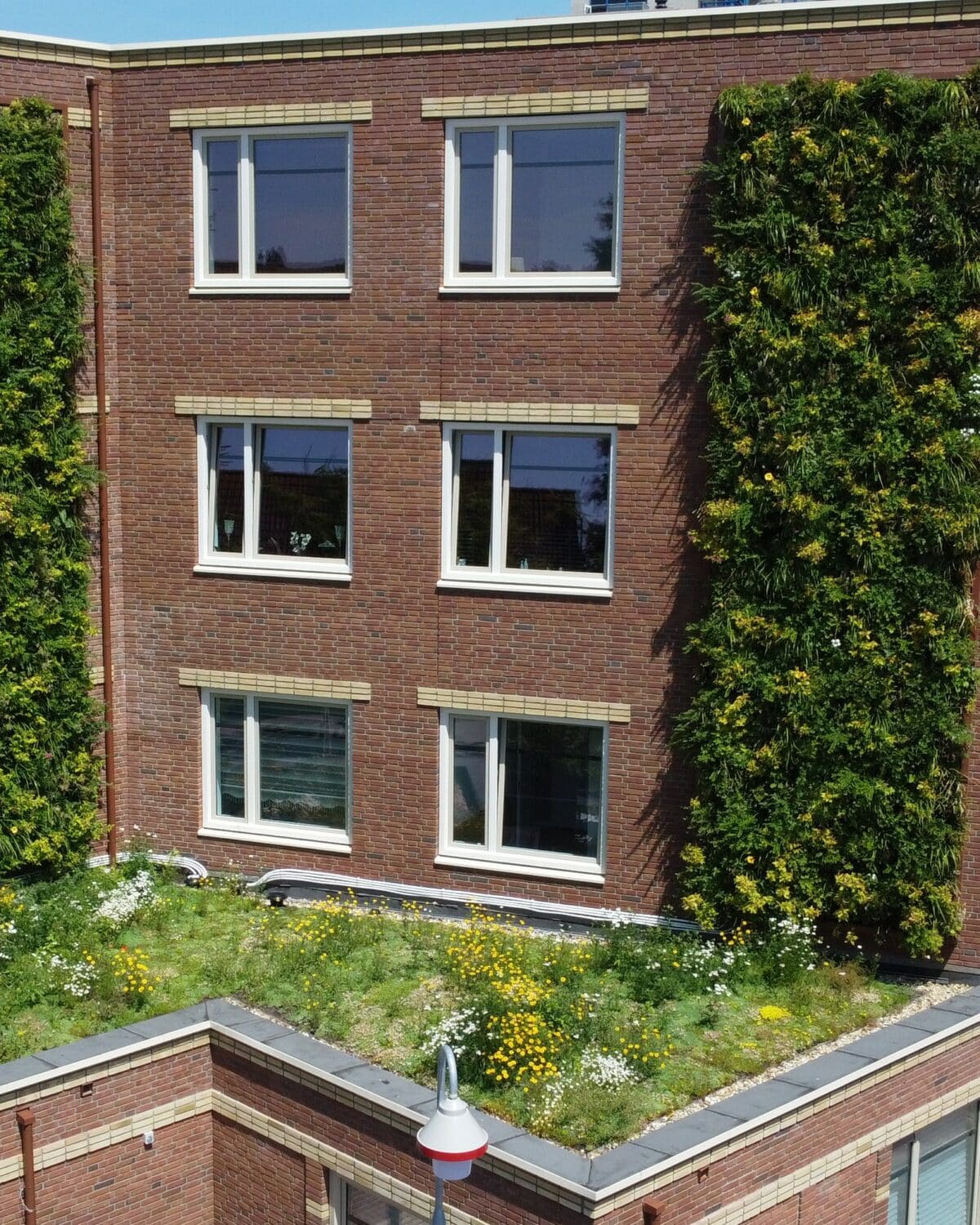
Haagse Hendrik is more than a housing project. It is a symbol of how sustainable design can reconnect city residents with nature. Developed by Haag Wonen and realised by Heembouw, the 154 homes form a vibrant new community that balances social housing needs with environmental responsibility. The vertical gardens and green roofs, designed and installed by T&G Groep using Sempergreen green roof and living wall systems, create a fresh and welcoming atmosphere from every angle. For residents, the greenery not only beautifies their surroundings but also improves air quality, reduces heat and offers cooling on warm days.




The lush green façades and Sedum roofs of Haagse Hendrik
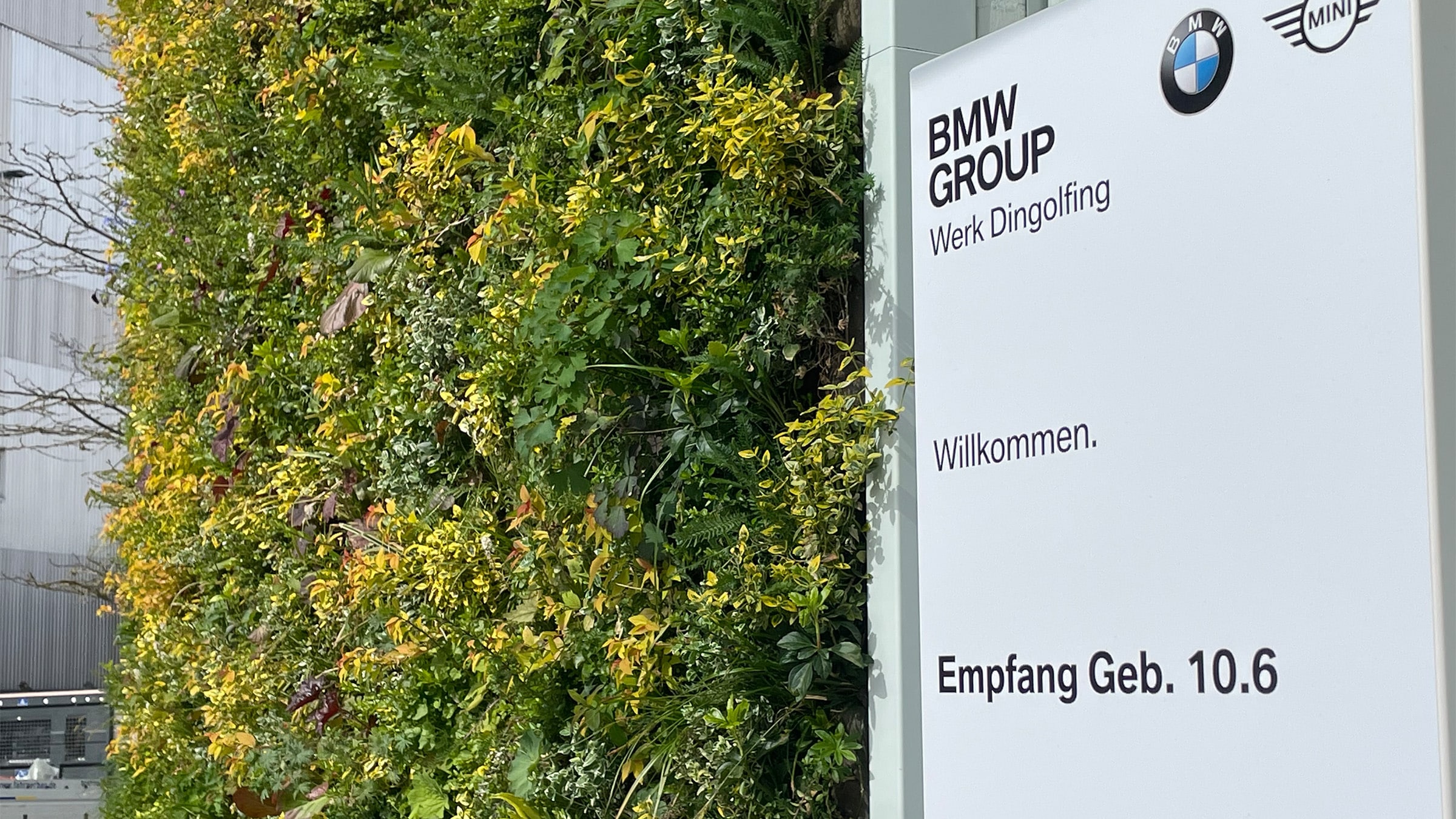
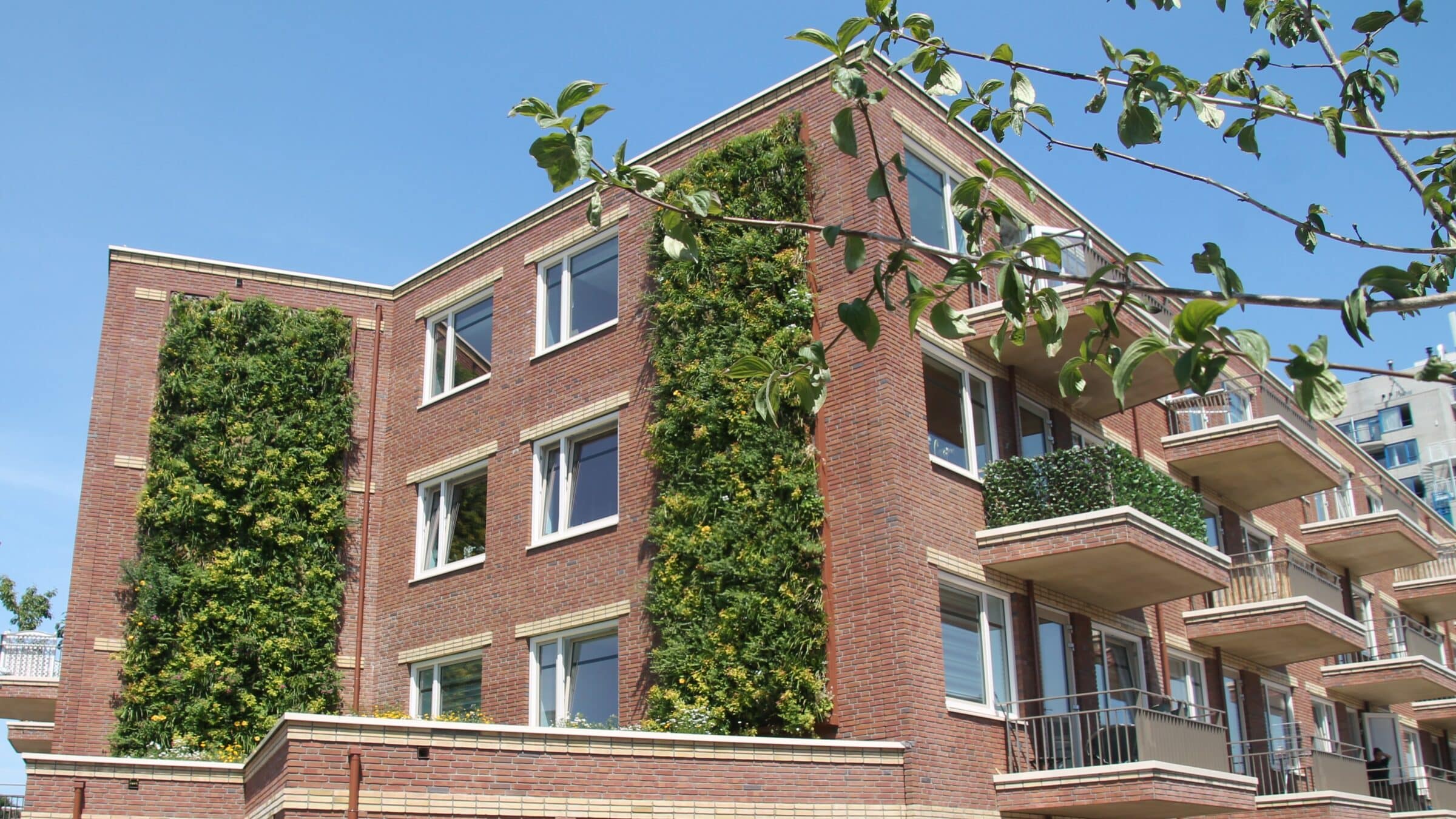
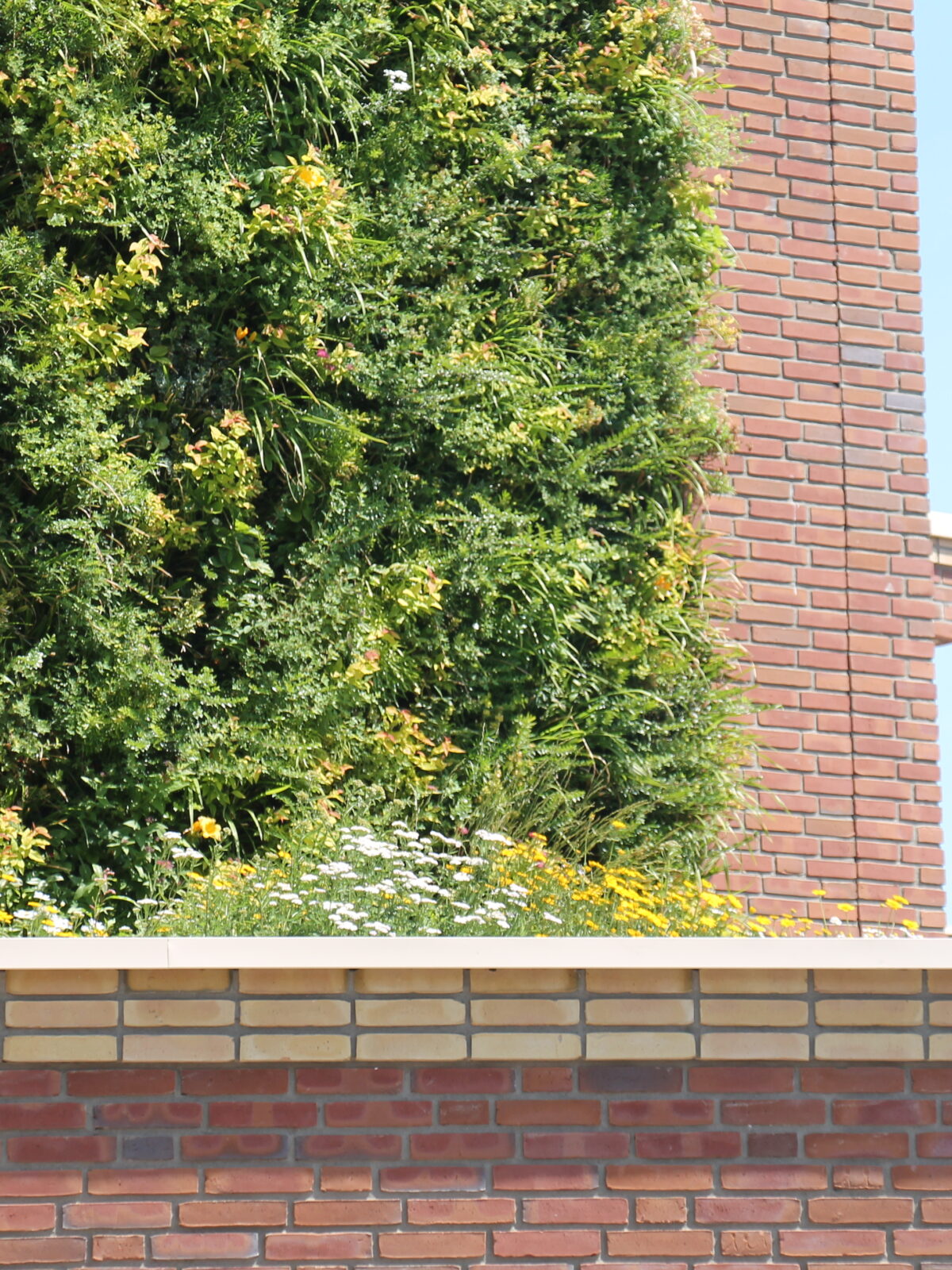
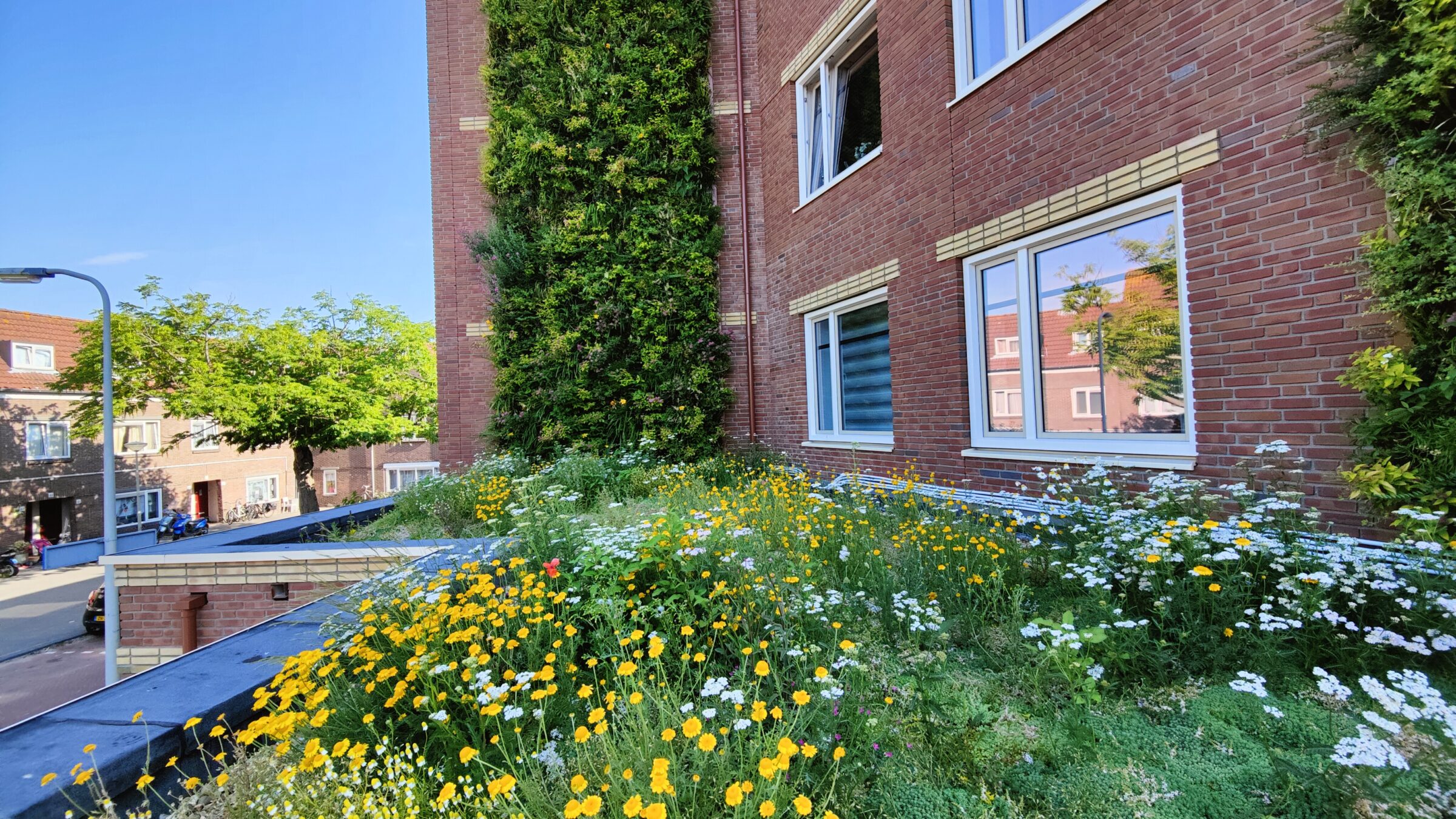
The two SemperGreenwalls are the eye-catchers of Haagse Hendrik. Together, they add over 40 square metres of vertical greenery to the façades, featuring 17 carefully selected plant species. With 78 plants per square metre, the result was a fully vegetated wall from day one. Each plant plays its part, filtering fine dust, storing rainwater and providing nesting and feeding spots for urban wildlife. The automated Plant Care System monitors irrigation and nutrition remotely, keeping the façades vibrant in every season with minimal maintenance.
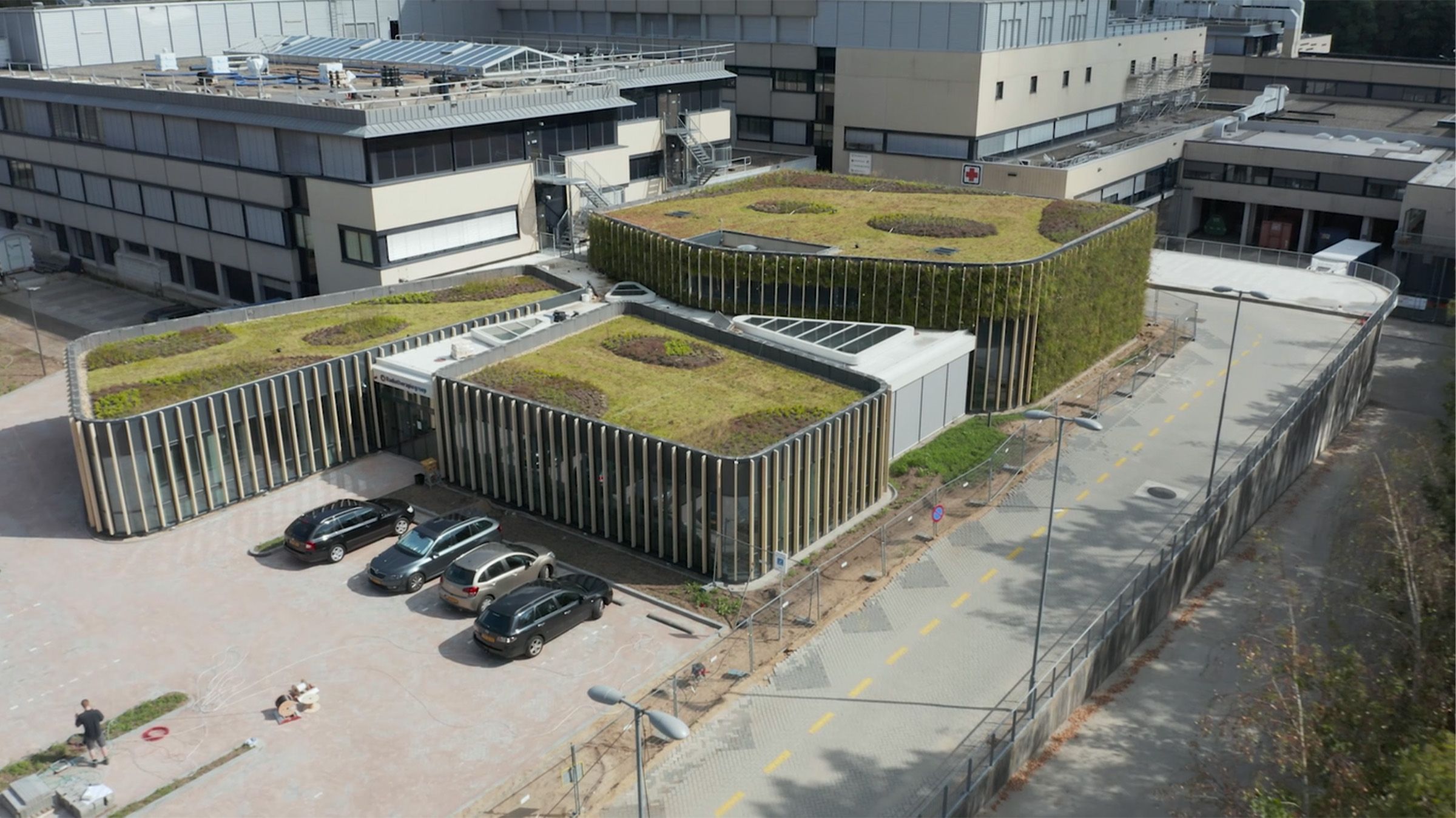
The apartment building’s main roof is fitted with a Sedum-herb mix, while the shed roofs of the single-family homes feature lightweight Sedum trays. These living roofs absorb rainwater, insulate homes and contribute to local biodiversity. For the residents, they also offer beautiful green views — a visual reminder of how small surfaces can make a big environmental difference. Together, the roofs and façades turn Haagse Hendrik into a true ‘sponge neighbourhood,’ capable of managing heat and rainfall naturally.
A visual reminder of how small surfaces can make a big environmental difference
The greening of Haagse Hendrik was made possible through close collaboration between Haag Wonen, Heembouw, Heren 5 Architects (now called Some Architects) and T&G Groep. As part of the project, students from ROC Mondriaan school were involved in masterclasses on nature-inclusive building. Their ideas helped shape the green fencing and roof design; a tangible example of how education, design and craftsmanship can work together for sustainable urban futures.
Sustainability here is as much about people as it is about plants. To inspire residents to keep their environment green, Haag Wonen organised a neighbourhood garden competition. With partners such as the Delft Water Board and Wageningen University, residents were encouraged to design their own nature-inclusive gardens. The result: a sense of ownership, pride and connection that makes Haagse Hendrik not just a place to live, but a community to belong to.
Haagse Hendrik shows how social housing can lead the way in climate adaptation. By greening façades, roofs and gardens, this neighbourhood mitigates heat stress, improves stormwater management and enhances mental wellbeing. It’s proof that sustainable design can be inclusive, affordable and inspiring, turning a once grey corner of the city into a model for urban renewal across the Netherlands.
Projects like Haagse Hendrik are key examples of how cities can adapt to a changing climate. By integrating Sempergreen systems on both façades and rooftops, The Hague takes a clear step toward becoming a true sponge city; a city that captures, filters and slowly releases rainwater instead of letting it rush into the sewers. Every square metre of green surface helps to cool the city, improve air quality and bring nature back into daily life. Haagse Hendrik proves that urban development and climate resilience can grow together, one wall and one roof at a time, perfectly in line with Sempergreen’s mission to Replant the Planet.

Ready to make a difference? At Sempergreen, we believe in building a greener future, one step at a time. Our innovative solutions are designed to help you decrease your footprint and contribute to a more sustainable world. Join us in replanting the planet!