- Futureproof
- Innovation
10 of the best sustainable city plans in the world

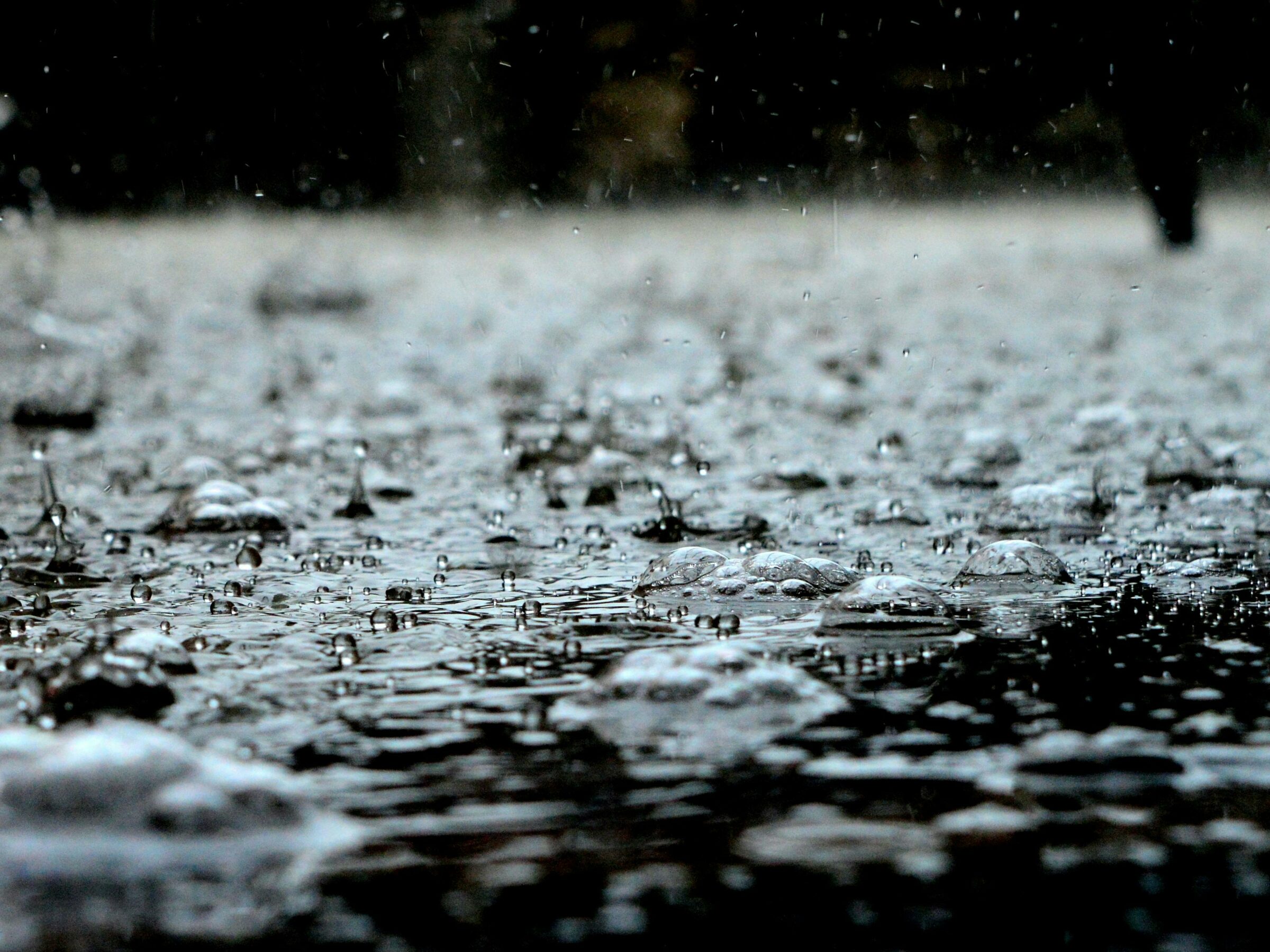
The climate is changing, and we are increasingly facing peak rainfall—intense downpours in which extreme amounts of rain fall in a very short time. This water can quickly lead to flooding in your garden or even inside your home. That’s why it’s becoming more important than ever to implement smart water storage solutions in your garden and on the roof of your home or shed. After all, your roof is the ideal place to capture rainwater before it reaches the ground. In this blog, we’ll show you how to design your garden and roof for optimal water storage.
There are several ways to make your garden an effective water buffer. One option is to install a wadi—a shallow depression in your garden where water can collect temporarily and gradually infiltrate the soil. You can also use rain barrels, underground water storage crates, or permeable paving to allow water to seep into the ground instead of running off to the lowest point of your yard.
But don’t forget your roof. By installing a green roof or a water-retaining roof on your house or shed, you can capture rainwater before it even reaches your garden, preventing flooding and waterlogging.

Water storage crates are a smart solution for temporarily storing rainwater and allowing it to slowly infiltrate the ground. These crates are usually installed underground—beneath garden beds or paving—without affecting your garden’s appearance. But did you know you can also use them on rooftops? They form the foundation of a water-retaining roof. Rainwater is captured in the crates on your roof and gradually drained through the downpipes.
Many people think they need to dig up their garden to prevent flooding, but that’s not true. Water storage starts on the roof! By collecting rainwater on the roof of your home or shed, less water flows into your garden, reducing the risk of flooding during heavy rainfall. A water-retaining roof holds water temporarily and releases it gradually, helping to prevent garden flooding.
A water-retaining roof not only keeps your feet dry—it offers many additional benefits. Green roofs contribute to biodiversity, filter CO₂ and fine dust from the air, improve sound insulation, and provide a cooling effect, which is especially valuable in urban environments during hot summers.
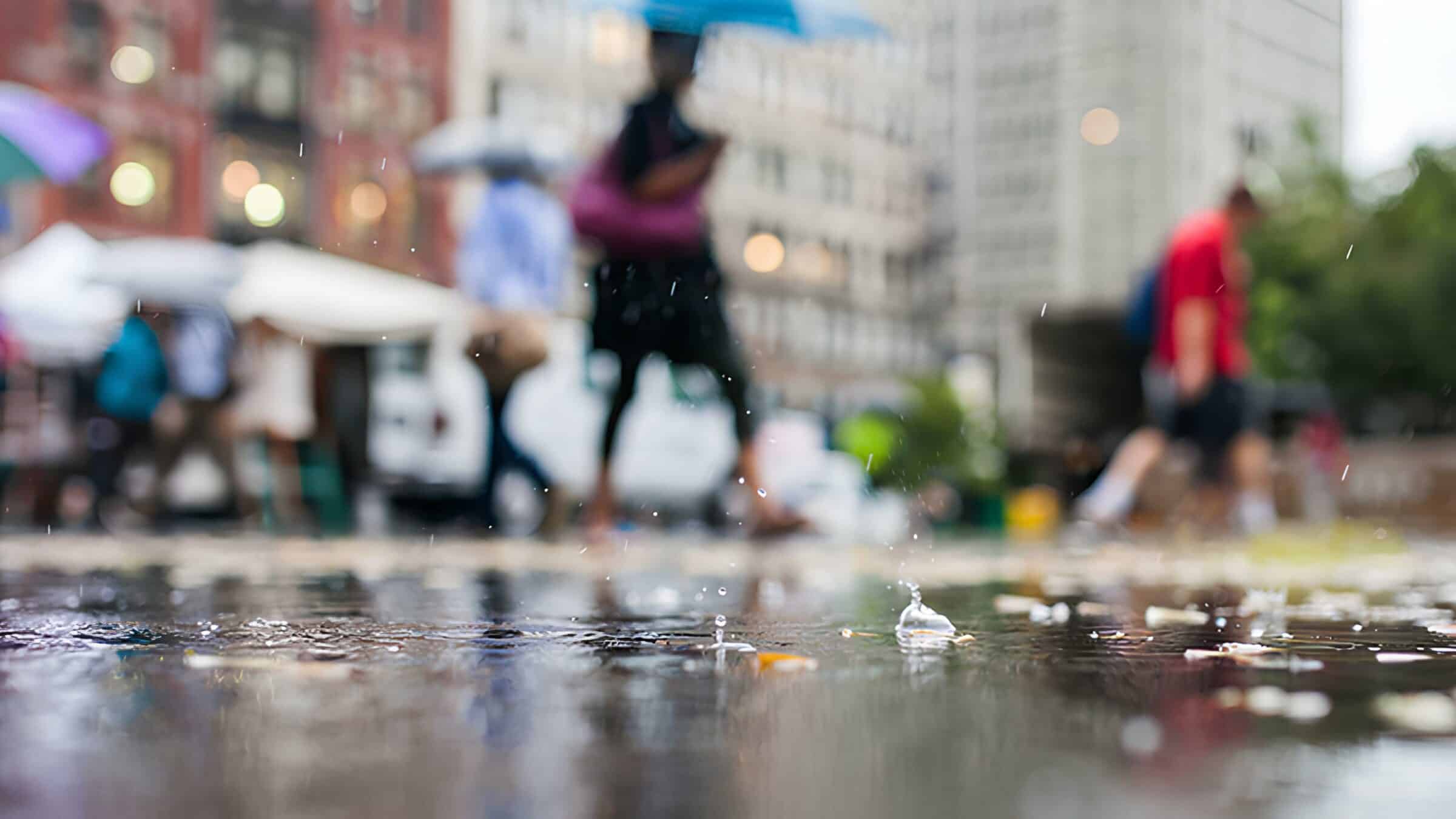
Want to install a green-blue roof—a system that combines water storage with Sedum plants—to buffer rainwater?
With these steps, you can easily create a sustainable rooftop water buffer. For more inspiration, check out our installation videos.
A Sedum roof is a green roof system suitable for flat or slightly sloped roofs. It consists of multiple layers that contribute to water storage and sustainability, including a protective fleece, drainage, roof garden substrate, and a Sempergreen Sedum mix mat with 6 to 8 types of Sedum plants.
The substrate layer contains soil organisms that provide shelter for insects, promoting biodiversity. This lightweight but nutrient-rich substrate supports healthy root growth, ensuring strong, long-lasting plants with minimal maintenance.
Sedum plants are not only ideal for retaining and gradually evaporating water—they are also highly resilient to extreme weather, from heat to frost. A Sedum roof helps capture rainwater, reduces flood risk, and contributes to a more sustainable living environment.
Want to manage rainwater effectively? Start where the first drops fall: on the roof.
The roof is the first place rainwater hits, and by capturing it there, you can prevent it from flooding your garden. Green roofs, storage crates, or rain barrels help protect both your garden and your home from the effects of heavy rainfall.
Water storage is a crucial element of sustainable gardening and home management. By applying smart solutions such as green roofs, you’ll be prepared for the challenges of a changing climate.