- Futureproof
- Innovation
Green Advertising: A Sustainable Future for Advertising Screens
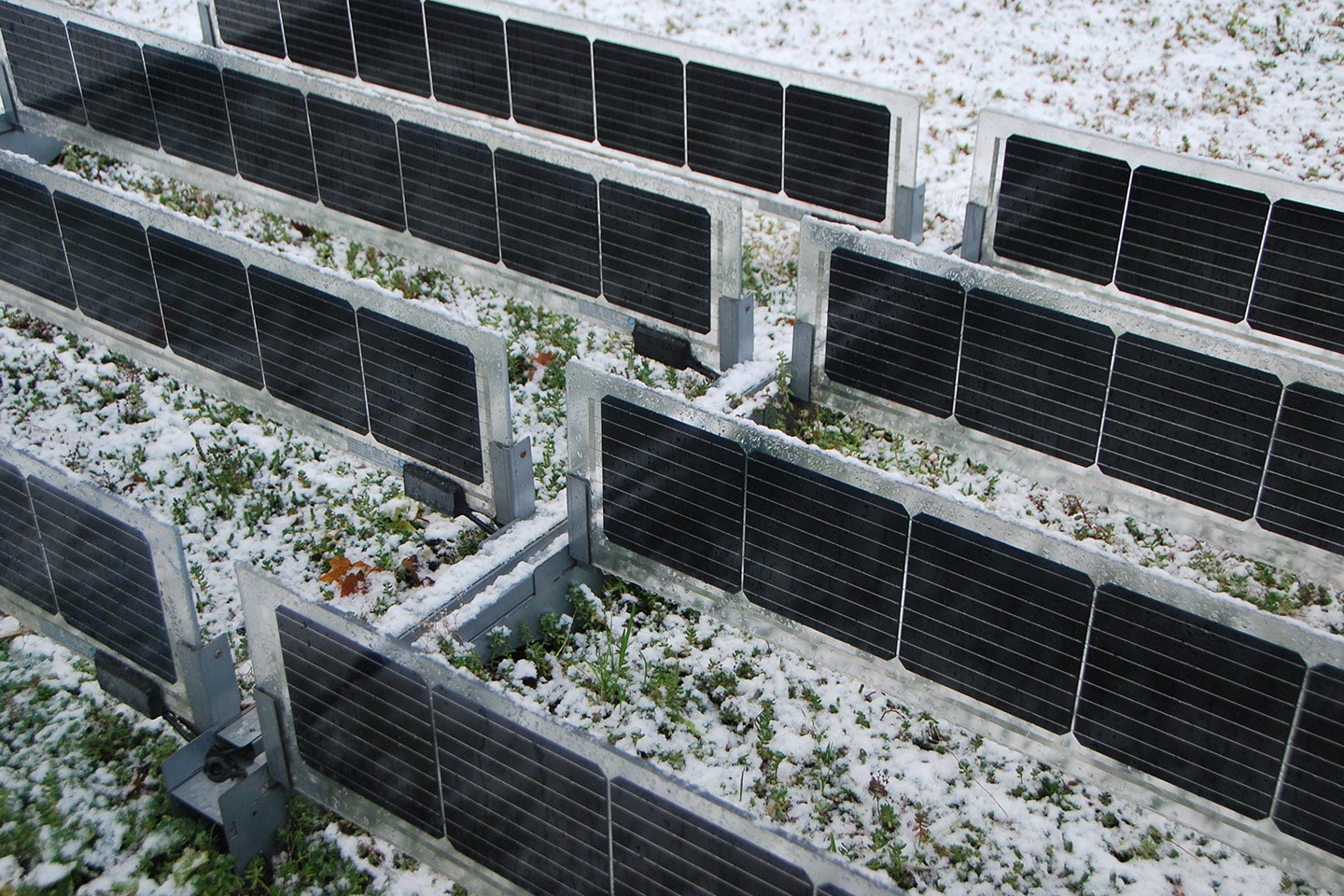
Solar panels are a great source of renewable energy, but their efficiency can be affected by winter conditions, especially snow accumulation. Many people wonder how well solar panels perform when covered in snow and whether solar energy production continues in snowy weather. The reality is that solar panels in winter snow can still generate electricity, but their output may be reduced if they are covered. However, advancements in solar technology and proper installation techniques can help mitigate the impact of snow. Keeping solar panels clear of snow ensures optimal performance, and various solutions exist to enhance efficiency in winter conditions. In this blog we tell you all you need to know about solar panels and snow.
One of the biggest concerns for solar energy users in snowy regions is how to effectively clear snow from solar panels. While some homeowners manually remove snow, there are more efficient and safer methods for automatic solar panel snow removal. Keeping snow off of solar panels can be achieved with specialized coatings, heating elements, or by installing panels at an angle where snow naturally slides off.
Melting solar panels use built-in heating systems to prevent snow accumulation, ensuring continuous energy production even in harsh winter conditions. These methods help to melt snow off solar panels efficiently without risking damage to the system. However, the melting process needs energy, which means energy costs. If solar panels are placed at a vertical angle, snow will fall off naturally, without any additional costs.
Traditional flat-mounted panels may struggle with snow accumulation, but a vertical system like Over Easy Solar provides a groundbreaking solution.
When solar panels are covered with snow, energy production can temporarily decrease. However, because panels absorb sunlight and generate heat, snow falling off solar panels often happens naturally. Additionally, solar roofs designed with the right materials and angles allow for faster snow shedding. With vertically installed panels, it is also easy to walk between them and shovel snow away if necessary. The accumulation of snow on a solar panel surface is usually temporary, especially on systems designed for winter performance. Properly installed solar panels can minimize energy losses even in heavy snowfall.
In cold climates, protecting solar panels from snow and ice is crucial to maintaining efficiency. The combination of snow and ice on solar panels can reduce performance, but snow-proof solar panels designed with innovative technology help maintain functionality. Some solar panels feature coatings that repel snow and ice, preventing buildup and ensuring maximum energy generation. Solar panels ice and snow challenges can be overcome with well-planned installations that optimize performance in winter conditions.
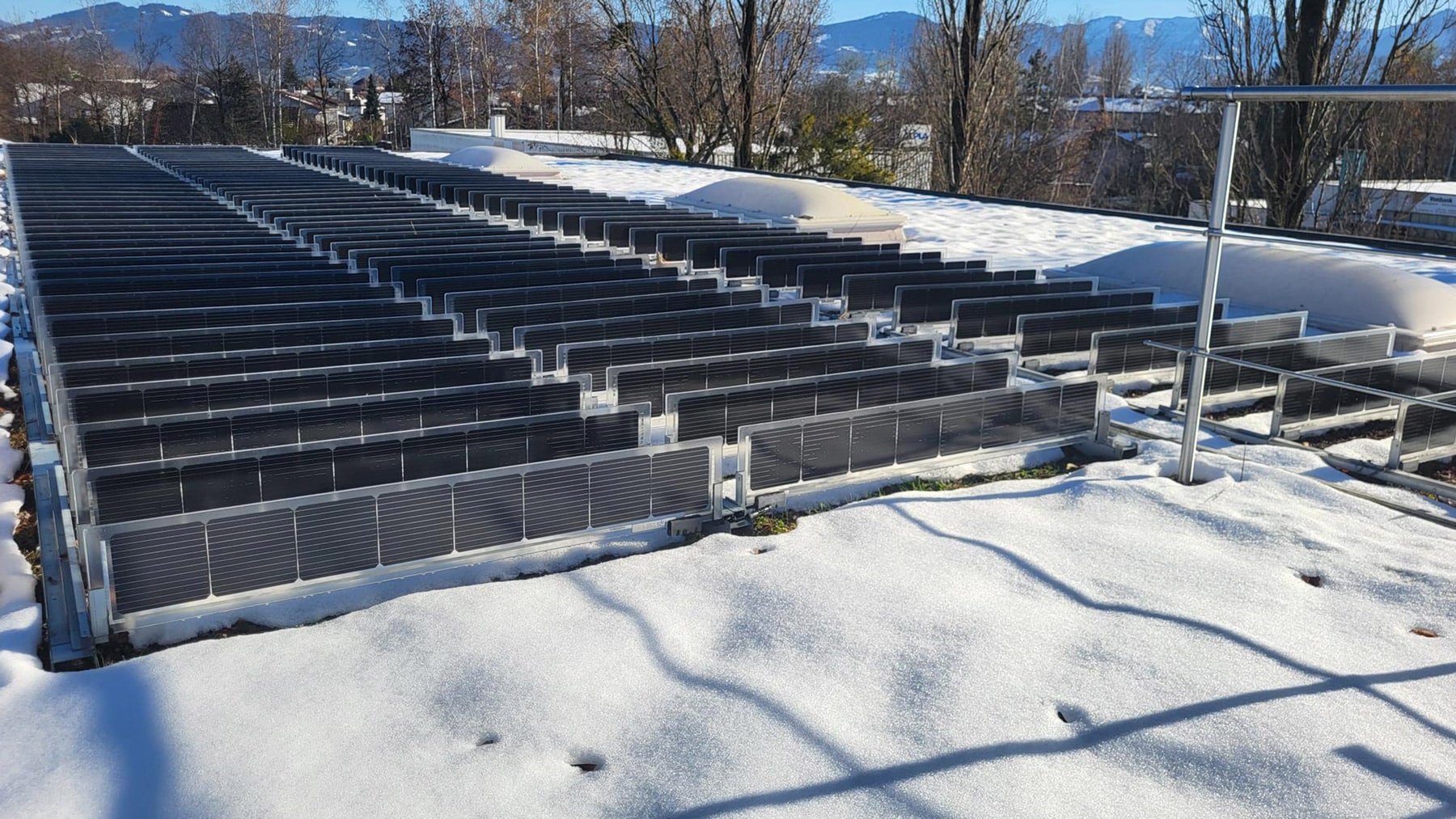
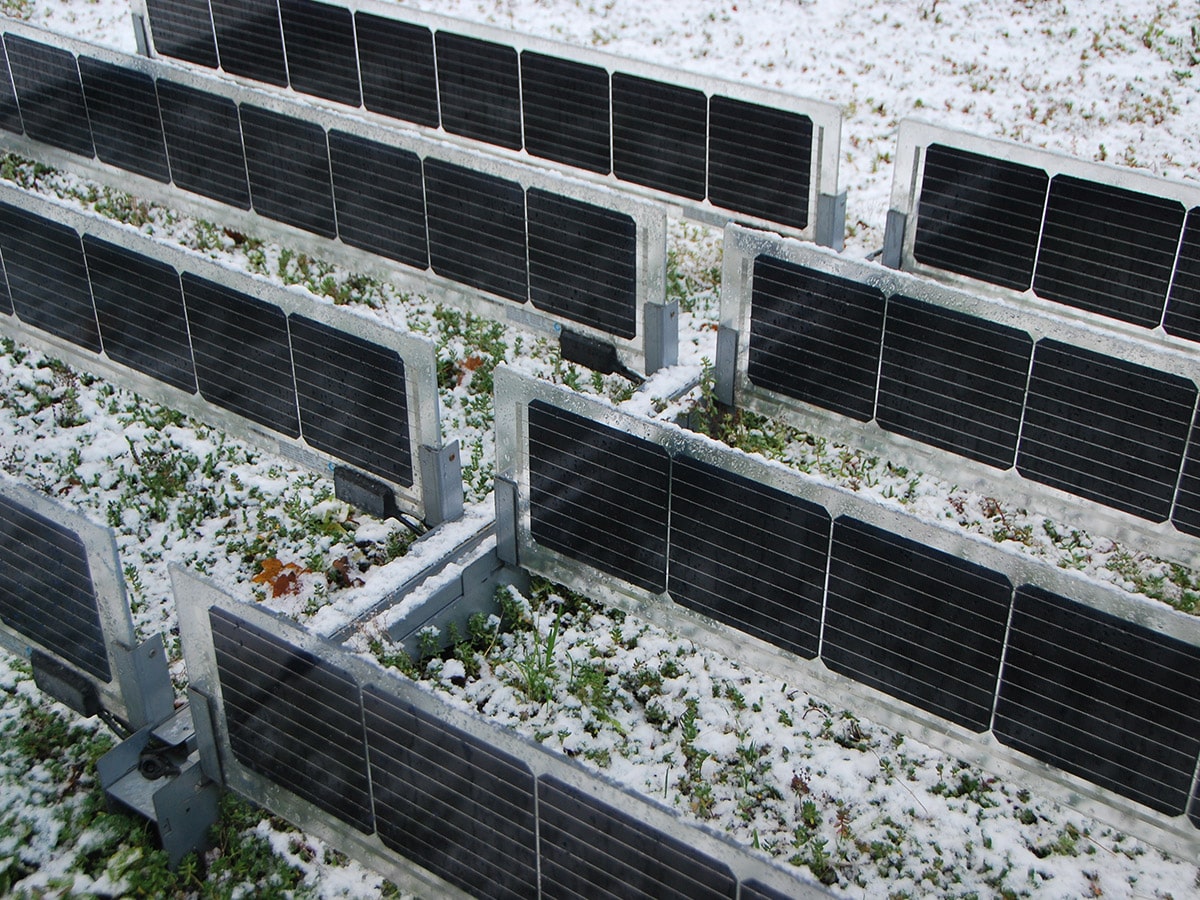
Snow accumulation can significantly affect the energy production of solar panels during winter. While conventional flat-mounted panels are easily covered by snow, vertical solar panels offer a superior solution. By standing upright, they avoid snow buildup and continue capturing sunlight, even in snowy conditions.
Additionally, vertical panels benefit from the increased albedo effect, where sunlight reflects off the surrounding snow, further boosting energy production. Over Easy Solar’s VPV system has been shown to maintain consistent yields even during heavy snowfall, outperforming traditional installations throughout the winter months.
For those living in snowy regions, choosing the best solar panels for snow is essential. Traditional flat-mounted panels may struggle with snow accumulation, but systems like Over Easy Solar provide a groundbreaking solution. Unlike traditional panels, Over Easy Solar’s vertical installation ensures that snow cannot accumulate on the system at all. Additionally, the panels are double-sided, allowing for two energy peaks spread throughout the day. This means that even in winter conditions and with a low sun angle, energy generation remains consistent from morning to evening. This innovative design, combined with a green roof, creates the ultimate solution for maximizing solar power in snowy conditions.
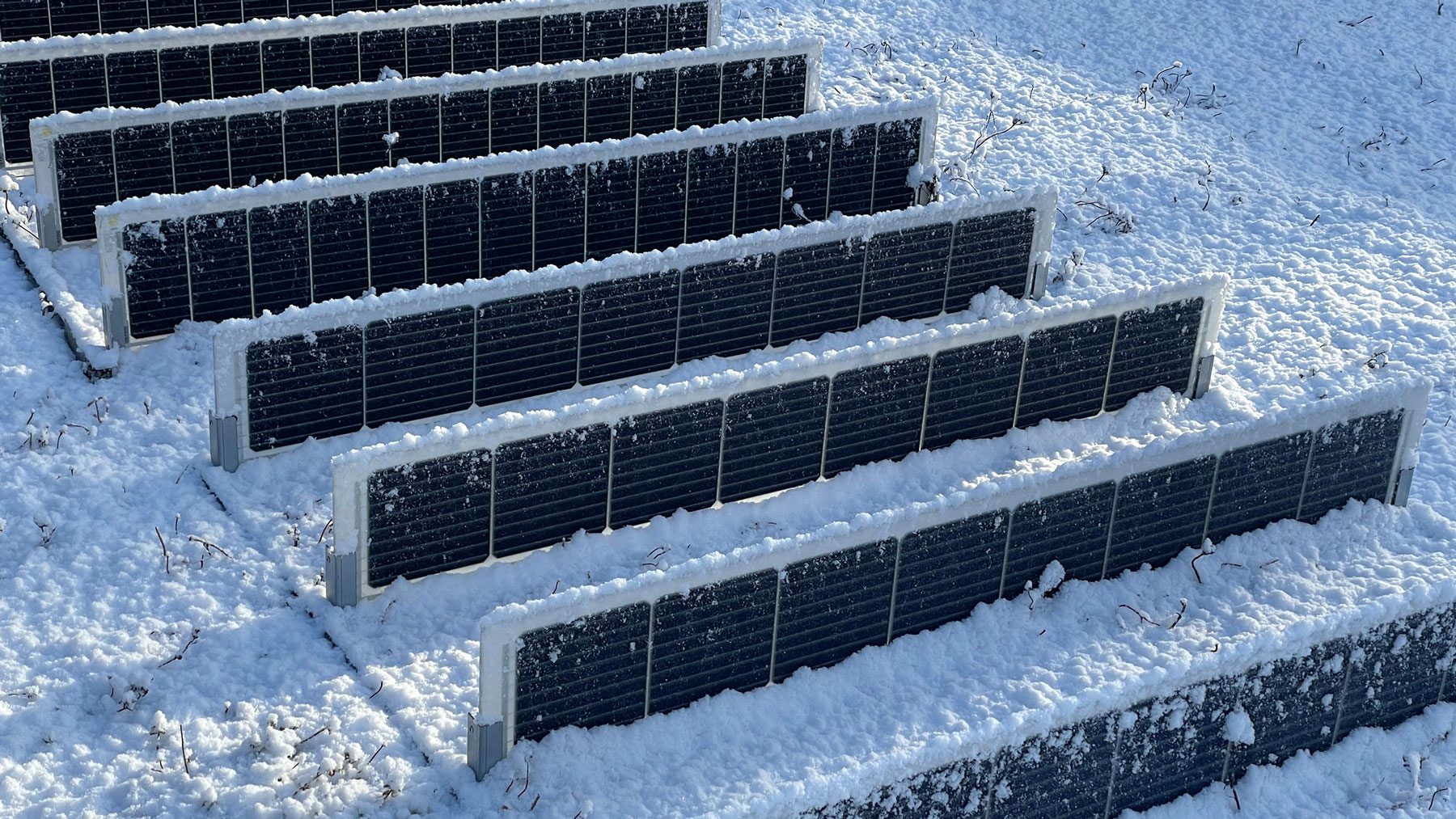
A recent case study from Oslo demonstrated the superior performance of Over Easy Solar’s vertical panel system during winter months. With low snow cover (1-10 cm), the vertical panels benefited from increased albedo, where sunlight reflected off the snow boosted their energy yield. Even with partial snow cover (10-30 cm), the uncovered sections of the panels continued generating electricity, minimizing energy losses. Unlike traditional panels that can become completely buried, vertical panels remained operational, ensuring consistent energy production throughout the season. The study also confirmed that vertical solar panels do not increase snow accumulation on rooftops and, in fact, promote faster melting due to air circulation and solar thawing. This makes them an ideal choice for maximizing energy efficiency in snowy climates.
So, solar panels during snow can still be highly effective with the right system, eliminating concerns about solar panels under snow and ensuring efficient performance no matter how much it snows. With Over Easy Solar, homeowners can enjoy reliable solar power and snow-free panels all year round.
Curious about how Over Easy Solar can enhance your energy production, even in winter conditions? Learn more about this innovative system and how it can benefit your building. Contact one of our roofing specialists today for expert advice and to explore the best solar solution for your needs.
Contact us